Should you wake up to the calm of Newport Harbor with your boat on the dock, or to the crash of open-ocean waves and sand at your back door? If you are choosing between bayfront and oceanfront in Newport Beach, the tradeoffs are real and the details matter. You want a property that fits your lifestyle, protects your investment, and stands the test of time. In this guide, you will learn the practical differences between bayfront and oceanfront homes, what to verify before you buy, and how to align your choice with what you value most. Let’s dive in.
What “bayfront” and “oceanfront” mean
Bayfront in Newport Harbor
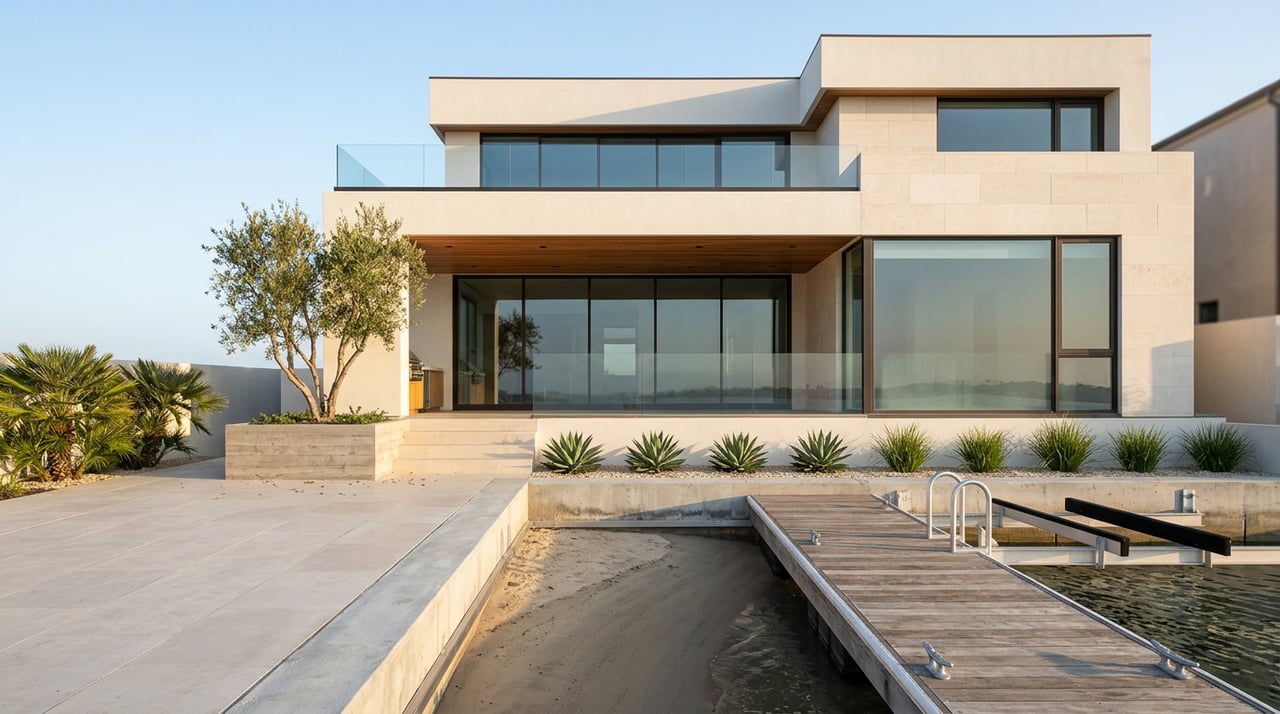
Newport Harbor includes Lower Newport Bay and several planned islands like Balboa Island, Lido Isle, Linda Isle, and Harbor Island. These areas are known for sheltered water, private piers and docks, and proximity to marinas and moorings. The City’s Harbor Department manages mooring fields, guest slips, and residential pier permit interactions for properties that extend into the bay. You can learn how the City oversees this waterfront through the Harbor Department’s official pages on harbor operations and permits.
Oceanfront on the Balboa Peninsula
The peninsula’s ocean side delivers direct sand access, surf breaks like The Wedge, the boardwalk, and lively public beaches. Expect more foot traffic near the Balboa Pier and Fun Zone, plus seasonal crowds. For many buyers, this area offers an unmatched surf and beach lifestyle supported by local visitor amenities highlighted in Newport Beach’s tourism guides.
Ocean views from Corona del Mar and Newport Coast
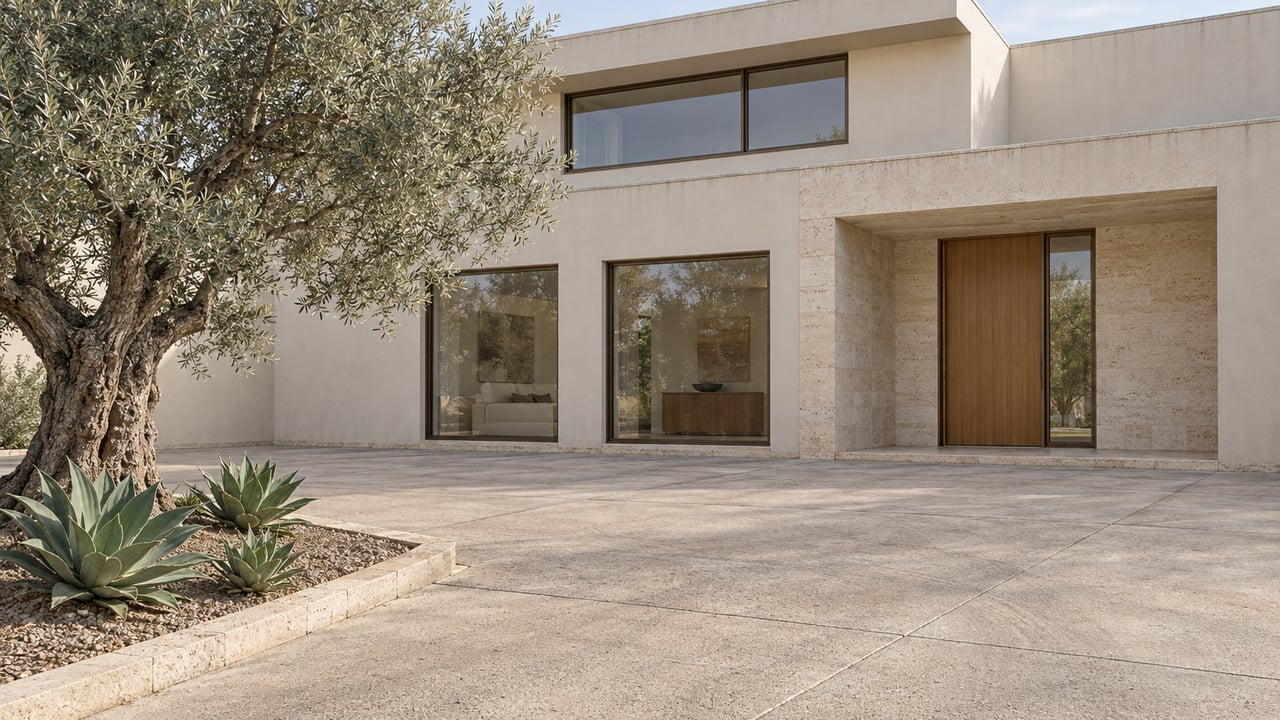
Corona del Mar and Newport Coast offer elevated ocean views from bluffs and headlands, often with more privacy than the peninsula. Many lots are not on the sand, yet they trade on panoramic views, larger parcels in some pockets, and a quieter setting. Bluff stability and coastal considerations shape design and improvements, so planning and permitting should be part of your early review.
Dockage and boating access
If your boat sits at the center of your lifestyle, bayfront often wins. Many island and harbor lots have private docks or nearby slip access, plus direct “home to sea” boating through the harbor entrance. The City administers moorings and pier permits, and those rights are not automatic. Verify whether a dock is a deeded improvement tied to your upland parcel or a City permit associated with the lot. Transferability, permit history, and current condition can all affect value. The Harbor Department details the mooring permit and transfer process here: City mooring permits and transfers.
On the open ocean face, shifting sand, waves, and swell make traditional docks impractical. Oceanfront property trades on direct beach access and views, not private deep-water dockage. If you plan to keep a larger yacht, the islands and harbor marinas are the practical route.
Beach, boardwalk, and daily lifestyle
- Oceanfront gives you immediate beach and surf access. The public beach and boardwalk on the peninsula function like a front yard, with sand steps away and frequent activity.
- Bayfront is calmer, with bulkheaded lots, private piers, and dockside swimming in select spots. It is a boating and harbor-life rhythm rather than a surf lifestyle.
- Foot traffic and noise vary by pocket. The Balboa Village area is lively, while several harbor enclaves, including guard-controlled islands like Linda Isle and Harbor Island, trend quieter and more private.
Match your tolerance for boardwalk energy and seasonal tourism to your preferred daily experience. If you want sand and surf moments from your patio, the oceanfront strand is hard to beat. If you want to step onto your boat in sheltered water, harbor islands deliver.
Weather, risk, and maintenance
Oceanfront properties face direct wave energy, beach dynamics, and, on bluffs, erosion risks that can drive specialized engineering and permitting. Bayfront lots are sheltered from swell but still face tidal surge, saltwater corrosion, and navigation concerns that can require periodic harbor maintenance. The U.S. Army Corps of Engineers details ongoing dredging cycles in Newport Harbor in its Final Environmental Assessment for maintenance dredging, which can temporarily affect access and depths.
Insurance and lending are tied to flood maps and elevation. The City provides guidance on FEMA flood zones, elevation certificates, and map change processes, which are essential for underwriting and long-term planning. Review the City’s resource page on FEMA flood maps and elevation certificates early in your search.
Long-term, factor sea-level rise into your risk and capital planning. Updated statewide guidance suggests a measurable rise by mid-century. You can review the State’s latest scenarios through the California Ocean Protection Council’s sea-level rise guidance.
Operating costs you should expect
- Bayfront: Budget for dock, lift, and piling maintenance, electrical pedestals, seawall and bulkhead inspections or repairs, and periodic work influenced by harbor maintenance schedules. Confirm any association responsibility for shared marine assets.
- Oceanfront: Plan for bluff engineering or stabilization where applicable, beach access structures such as stairs, and coastal approvals for shoreline protection if needed.
In both cases, higher maintenance budgets and specialty contractors are normal. Pull records and confirm recent work before you write an offer.
Rules and title details that change value
Newport Beach manages pier and mooring rules, and transfer processes are formal. Do not assume a dock or mooring transfers with the home without documentation. Confirm the status and transferability of any pier permit or mooring through City records and escrow. Start with the Harbor Department’s page outlining mooring permits and transfers.
If you are considering an island property, review HOA or association documents and reserve studies. Clarify who maintains seawalls, docks, and lifts, and whether any assessments are scheduled.
Quick decision guide
Use your top priority to direct your search:
- Dockage and boat convenience: Focus on Newport Harbor’s islands and bayfront pockets such as Lido Isle and select Balboa Bay locations. Confirm pier permits or mooring details through the City’s mooring and permit resources.
- Sand and surf lifestyle: Target oceanfront lots on the Balboa Peninsula and the open-ocean strand. Local visitor resources outline the surf and beach scene around the boardwalk and The Wedge, which you can preview through Newport Beach’s tourism guides.
- Privacy and elevation: Consider Corona del Mar bluffs and Newport Coast. Account for bluff stability and long-range coastal considerations using the State’s sea-level rise guidance.
Due diligence checklist for buyers
Prioritize these items early, ideally before or during offer negotiations:
- Dock, pier, and mooring status. Is there a deeded pier, a residential pier permit, or a City mooring? Who holds it, and can it transfer? Start with the City’s mooring permit and transfer process.
- Seawall and bulkhead records. Pull permit history and any recent inspections. Replacement or major repairs can be significant.
- Flood zone and elevation. Confirm FEMA zone, obtain an elevation certificate, and explore LOMA or LOMR options if applicable. The City’s FEMA flood resource page is your guide.
- Harbor navigation and dredging. Ask for recent harbor depth surveys and planned maintenance windows. Review the USACE maintenance dredging EA for context.
- HOA, CC&Rs, and reserves. On islands or in private marina settings, clarify responsibility for marine assets and any upcoming assessments.
- Long-term climate exposure. Model the parcel against the State’s sea-level rise guidance for mid-century and end-of-century planning.
- Insurance and financing checks. Engage insurers and lenders early since coastal exposure shapes coverage terms and loan conditions.
Market context in one minute
Newport Beach is a high-value, low-supply coastal market where waterfront scarcity drives significant premiums. True bayfront lots with deeded docks or transferable mooring options and oceanfront lots with direct sand frontage sit at the top of the local price ladder. City-level indicators place average home values in the multi-million-dollar range, though micro-markets vary widely by street and view corridor. There is no single authoritative bayfront versus oceanfront premium percentage. Use recent closed comps, price per square foot, and off-market activity to benchmark value. In bay areas, harbor dredging schedules can temporarily influence navigation and convenience, which can matter during a sale period. The USACE dredging EA provides helpful background.
The bottom line
Choosing between bayfront and oceanfront in Newport Beach comes down to three priorities: dockage and boating convenience, sand and surf access, and privacy with elevation. Once you know your top two, align your search to the right micro-neighborhood and verify the details that affect value, permits, insurance, and long-term risk. A precise, document-led process protects your investment and unlocks the lifestyle you want.
If you are weighing trophy properties across the harbor, peninsula, or bluffs, partner with a team that operates at this level every day. For private listings, meticulous due diligence, and a seamless close, connect with Daftarian Group.
FAQs
What is the difference between a deeded dock and a City pier or mooring permit in Newport Beach?
- A deeded dock is an improvement tied to the upland parcel’s title, while City-administered piers and moorings are permits that require documented approval to transfer. Always confirm status and transfer rules through the Harbor Department’s mooring and permit page.
How do FEMA flood maps affect waterfront insurance and lending in Newport Beach?
- Flood zone designations drive insurance availability, pricing, and lender requirements. Obtain an elevation certificate and review City resources on FEMA flood maps and LOMA/LOMR processes before you buy.
What should boat-first buyers prioritize when comparing bayfront and oceanfront?
- Focus on Newport Harbor islands and bayfront parcels that offer private docks or dependable mooring access. Verify permit status and transferability through the City’s mooring permit resources.
Are Balboa Peninsula beaches private to adjacent homeowners?
- No. The oceanfront on the peninsula is public beach. Homes enjoy immediate access and views, but the sand and boardwalk support public use, especially near visitor hubs highlighted in local tourism guides.
How can harbor dredging affect a bayfront property owner?
- Scheduled dredging can temporarily affect navigation, access, or nearby depths. Review current background in the USACE maintenance dredging EA and ask the City about timing near your location.