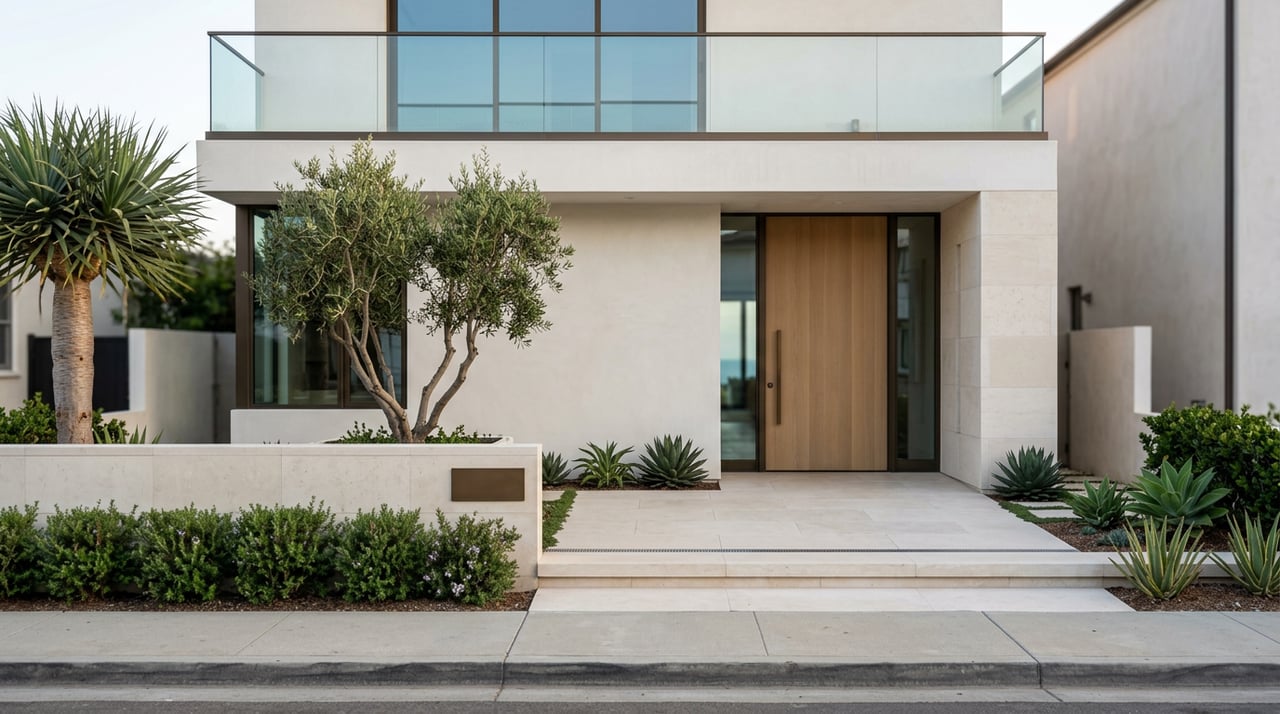
Are you torn between waking up to a horizon of blue water or stepping outside to grab coffee and dinner on foot? In Corona del Mar, you can have either lifestyle, but each choice comes with clear tradeoffs in price, privacy, walkability, rental options, and long‑term risk. If you understand how the oceanfront enclaves, the Village “Flower Streets,” and the lower PCH/Ocean Blvd shores corridor differ, you can match your priorities to the right blocks with confidence. This guide breaks it down and shows you how to decide. Let’s dive in.
Quick orientation: what “CdM” includes
Corona del Mar is a seaside neighborhood within Newport Beach centered around East Coast Highway and Ocean Boulevard, with beaches like Big Corona and Little Corona nearby. For local context, browse the beach overview from the city’s visitor bureau at the page for Corona del Mar State Beach.
For this guide, think of three distinct submarkets:
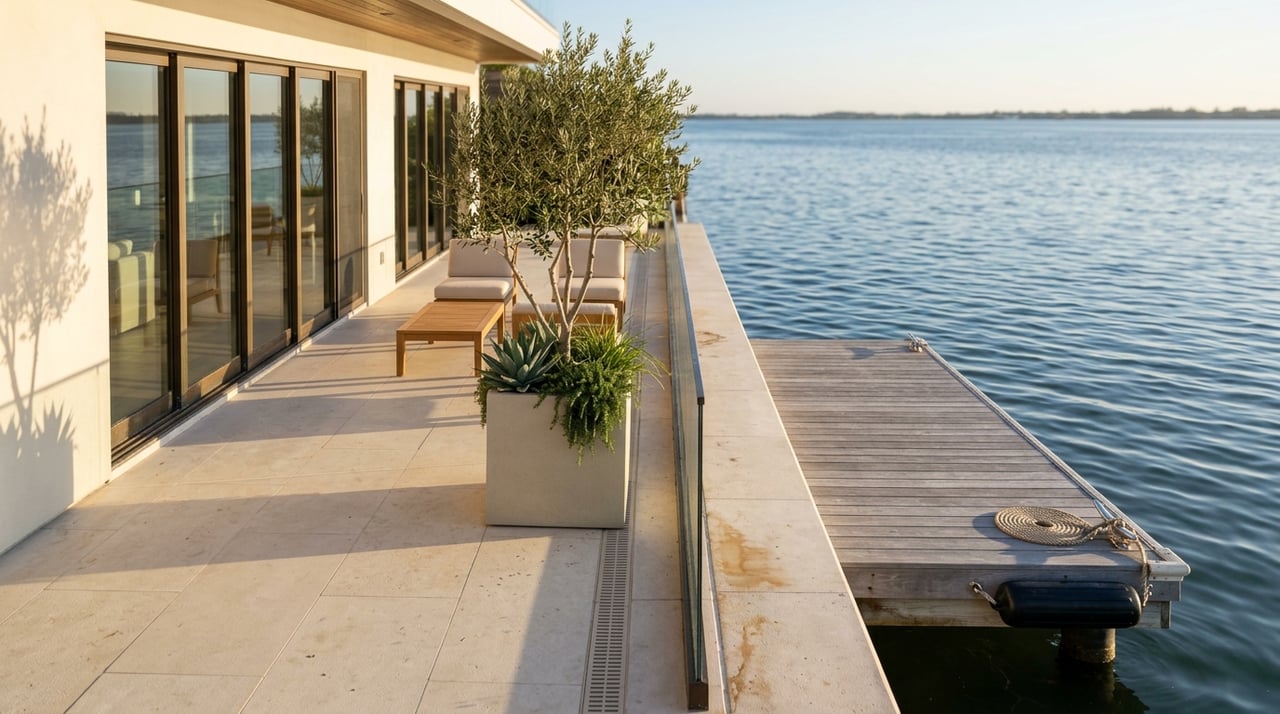
- Oceanfront and bluff enclaves (“front‑row”): Cliff‑top and beachfront lots in enclaves such as Shore Cliffs, Cameo Shores, and Breakers Drive. These parcels offer the most dramatic, unobstructed views and, in select places, private or gated beach access.
- The Village / “Flower Streets”: The compact, walkable core along and just inland of Pacific Coast Highway near Avocado Avenue. Street names are flowers, and shops, cafes, and services sit minutes away by foot. See the local block map via the Corona del Mar Residents Association.
- The CdM “shores” corridor: A practical label for the lower‑lot PCH and Ocean Blvd corridor between Big Corona and Little Corona. You will find a mix of small condo buildings, cottages, and walk‑to‑beach residences with quick access to the sand.
Pricing and product mix
You will see three very different price tiers.
- Oceanfront and blufffront estates: The front‑row commands a separate tier because of scarce, irreplaceable coastline. Buyers should expect prices that often exceed eight figures, with larger or rare parcels trading much higher. Strong price per square foot and limited supply define this segment.
- Village / Flower Streets homes: Smaller lots, remodeled cottages, two‑ to four‑bedroom homes, and low‑rise condos typically trade for materially less than front‑row estates. Prices vary by street, condition, and lot size, with many sales spanning the low to mid millions up to several million for newer or larger builds.
- Shores corridor condos and cottages: Often the most accessible entry to CdM living near the beach. Product ranges from compact condos to low‑rise front‑row units and small single‑family homes along lower PCH and Ocean Blvd.
Practical tip: Focus on a realistic band rather than a single number. Think village cottages in the multi‑million range, and cliff‑front estates from the high‑single millions into the tens of millions depending on frontage, lot, and architecture. Because prices move, ask your advisor for live, on‑street comps when you are ready to tour.
Walkability and daily life
If daily errands and dining on foot matter most, start in the Village. Many addresses near PCH and Avocado score in the high Walk Score range. For example, a core Village address like 2801 E Coast Hwy shows a high walkability score.
Front‑row enclaves deliver a different value: privacy and an uninterrupted ocean tableau. They typically sit above or apart from the main commercial streets, so you will likely drive or take a longer walk for shopping. That tradeoff shows up in lower Walk Scores at bluff addresses such as 444 Morning Canyon Road.
The shores corridor splits the difference. You are close to the beach and a short stroll to Ocean Blvd viewpoints, with a simple walk to PCH restaurants depending on your exact block.
Views, privacy, and access tradeoffs
- Oceanfront and bluff homes: The headline benefit is panoramic ocean, sunset, and Catalina views that feel cinematic from main living spaces and terraces. Select enclaves also offer gated or private paths to the sand. Tradeoffs include more wind exposure, a longer walk to shops, and some visibility from public viewpoints in certain locations along the bluffs.
- Village homes: You gain social energy, easy access to dining and services, and simpler day‑to‑day logistics. Lots are smaller, neighbors are closer, and views are often partial or from rooftop decks and upper floors. Many owners prioritize this lifestyle over headline views.
- Shores corridor: Expect quick beach access and a relaxed, coastal feel. Buildings vary, so privacy and views change block by block. Some units enjoy strong water sightlines, while others trade view for proximity and value.
Short‑term rentals: rules and potential
If rental income is part of your calculus, know that Corona del Mar follows the City of Newport Beach short‑term lodging program. To operate legally you need a City short‑term lodging permit and a business license. The City limits the total number of active permits citywide to 1,550, enforces operating rules, and requires a 10% transient occupancy tax. Review the City’s current rules and permit lookup at the Newport Beach short‑term rentals portal.
Performance varies widely by location and product type. Front‑row luxury may command very high nightly rates with lower annual occupancy. Village condos and two‑bedroom units can see steadier year‑round demand. For planning, pull current ADR and occupancy data from an analytics provider such as Airbtics, then validate HOA rules and the property’s permit status.
Example approach you can use with your advisor:
- Estimate conservative ADR and annual nights based on verified analytics for your block and unit type.
- Subtract City TOT, platform fees, cleaning, utilities, and HOAs.
- Stress test with a lower‑occupancy scenario that reflects seasonal rules and enforcement periods.
Always verify whether a permit exists and whether it is transferable before assuming income. A permit can be a real asset under a citywide cap.
Coastal hazards, permitting, and insurance
Front‑row, bluff, and low‑lying parcels require specialized due diligence because of coastal exposure.
- Sea‑level rise and bluff retreat: California’s coastal guidance urges buyers and owners to plan for sea‑level rise and related hazards. Review the California Coastal Commission’s sea‑level rise guidance and visualize local inundation scenarios with NOAA’s Sea‑Level Rise Viewer.
- Flood zones and insurance: Some parcels fall in FEMA AE or VE zones, with VE carrying the strictest design and insurance implications due to wave velocity exposure. Before you bid, run the parcel on the FEMA Map Service Center and request quotes from an experienced coastal insurance broker.
- Permitting complexity: Many coastal projects require a Coastal Development Permit. Newport Beach issues many permits locally under a certified Local Coastal Program, with the Coastal Commission retaining oversight in defined cases. Ask for prior permits, engineering, and geotechnical reports, especially for seawalls and bluff work, as part of your offer due diligence.
Oceanfront vs Village vs Shores: quick comparison
| Factor | Oceanfront/Bluff Enclaves | Village/Flower Streets | Shores Corridor |
|---|---|---|---|
| Typical price band | High eight figures to tens of millions depending on frontage, lot, architecture | Multi‑million for cottages, remodeled homes, and low‑rise condos | Often lower entry among CdM coastal options, varies by unit and block |
| Walkability | Lower, drive or longer walk to shops | High, daily errands on foot | Moderate to high, close to beach and near PCH |
| Product mix | Estate‑scale homes, rare parcels, select private beach access | Small‑lot cottages, newer infill homes, condos | Low‑rise front‑row units, condos, cottages |
| Views & privacy | Panoramic water and sunset views, strong privacy | Partial views or rooftop decks, closer neighbors | Mixed views, beach proximity the draw |
| STR likelihood | Possible but verify permit; luxury tier is niche | Possible but permit and HOA rules drive feasibility | Often targeted by STR buyers; permit and HOA critical |
| Maintenance & insurance | Higher due to coastal exposure and potential flood designation | Lower than front‑row on average | Varies by exact location and building |
Which lifestyle fits you best?
Use these simple frameworks to prioritize your search.
Framework A: View and privacy first
- You want an uninterrupted ocean panorama and a legacy‑level coastal estate.
- You accept higher purchase price, insurance, and ongoing maintenance.
- You value scarcity and long‑term demand for prime coastline.
- Due diligence to require: geotechnical and bluff‑retreat studies, seawall and shoreline permit history, FEMA flood designation and quotes, title review for easements and public access, and comps that isolate blufffront value.
Framework B: Village‑centric lifestyle
- You want to walk to coffee, dinner, and services and enjoy a lively village rhythm.
- You prefer a smaller lot or turnkey cottage over maximum view.
- Resale appeal is broad because lifestyle buyers consistently target these blocks.
- Due diligence to require: parking rules and availability, STR permit status and HOA rental policies if income matters, timed walk checks to favorite restaurants and beaches, and recent comps by street.
Framework C: Shores corridor and condo investor
- You seek a more accessible entry into CdM or a compact, beach‑close lifestyle.
- You want proximity to Ocean Blvd and the sand, with simpler lock‑and‑leave living.
- If income is part of the plan, focus on HOA rental rules and City permit status for the specific unit or parcel.
Due diligence checklist and links
Use this short list as you tour and underwrite options:
- Short‑term rentals: Confirm eligibility, existing permits, and transfer rules at the Newport Beach short‑term rentals portal.
- FEMA flood maps: Run the parcel on the FEMA Map Service Center and get insurance quotes that reflect VE or AE conditions if applicable.
- Sea‑level rise visuals: Test future water scenarios using NOAA’s Sea‑Level Rise Viewer and review the Coastal Commission’s SLR guidance for planning context.
- Oceanfront geotech and permits: Request prior geotechnical reports, bluff‑retreat analyses, and any Coastal Development Permits or seawall permits from the seller.
- Walkability reality check: Compare blocks using Walk Score examples like 2801 E Coast Hwy and 444 Morning Canyon Road, then walk at weekday lunch, weekend dinner, and peak summer.
- STR underwriting: Pull current ADR and occupancy data from a resource like Airbtics and build both conservative and owner‑use scenarios.
- Insurance planning: Ask a coastal‑specialist broker to quote homeowners and flood coverage and to outline maintenance implications of salt exposure.
Final take: how to choose with confidence
If you dream in blue water and sunset lines, the front‑row enclaves deliver a once‑in‑a‑generation setting. If daily convenience and village energy feel essential, the Flower Streets are likely your match. If you want beach proximity with a simpler, lower‑maintenance profile, the shores corridor is a smart place to focus.
Whichever path you choose, pair the lifestyle you want with disciplined due diligence on permits, hazards, and insurance. When you are ready to tour the right blocks, request a private, data‑backed consultation with the Daftarian Group. Our team will align your must‑haves with on‑ and off‑market opportunities and manage the details with six‑star care.
FAQs
What is included in Corona del Mar’s “Village” area?
- The Village refers to the compact, walkable core along and inland of Pacific Coast Highway near Avocado Avenue, mapped by the local residents association as the Flower Streets area.
How walkable is the Village compared with oceanfront enclaves?
- Many Village addresses show high Walk Scores with errands and dining on foot, while blufffront enclaves trade that convenience for privacy and views and typically show lower walkability.
Are short‑term rentals allowed in Corona del Mar?
- Yes, under Newport Beach’s short‑term lodging program with a citywide permit cap, operational rules, and a 10% transient occupancy tax; always verify permit status and transferability.
What coastal risks should I check on oceanfront or bluff properties?
- Review sea‑level rise and bluff‑retreat exposure, FEMA flood zone designation, insurance costs, and prior Coastal Development Permits or shoreline engineering reports.
What is the CdM “shores corridor” and who is it best for?
- It is the lower PCH and Ocean Blvd stretch between Big Corona and Little Corona with condos, cottages, and walk‑to‑beach units; it suits buyers seeking beach proximity and simpler living.