In March 2026, the median home price in Crystal Cove fell to $11.8 million, down nearly 22 percent from the same month a year earlier. Days on market more than doubled, from 48 to 128. Price per square foot dropped almost 10 percent over the same stretch. Read as a single trend line, that looks like a neighborhood cooling off fast.
Read as six transactions, it looks like something else. Crystal Cove sold six homes that month. A year earlier it sold five. A market this thin does not produce a median so much as it produces a snapshot of whoever happened to close escrow that particular month, in whatever enclave they happened to be buying into.
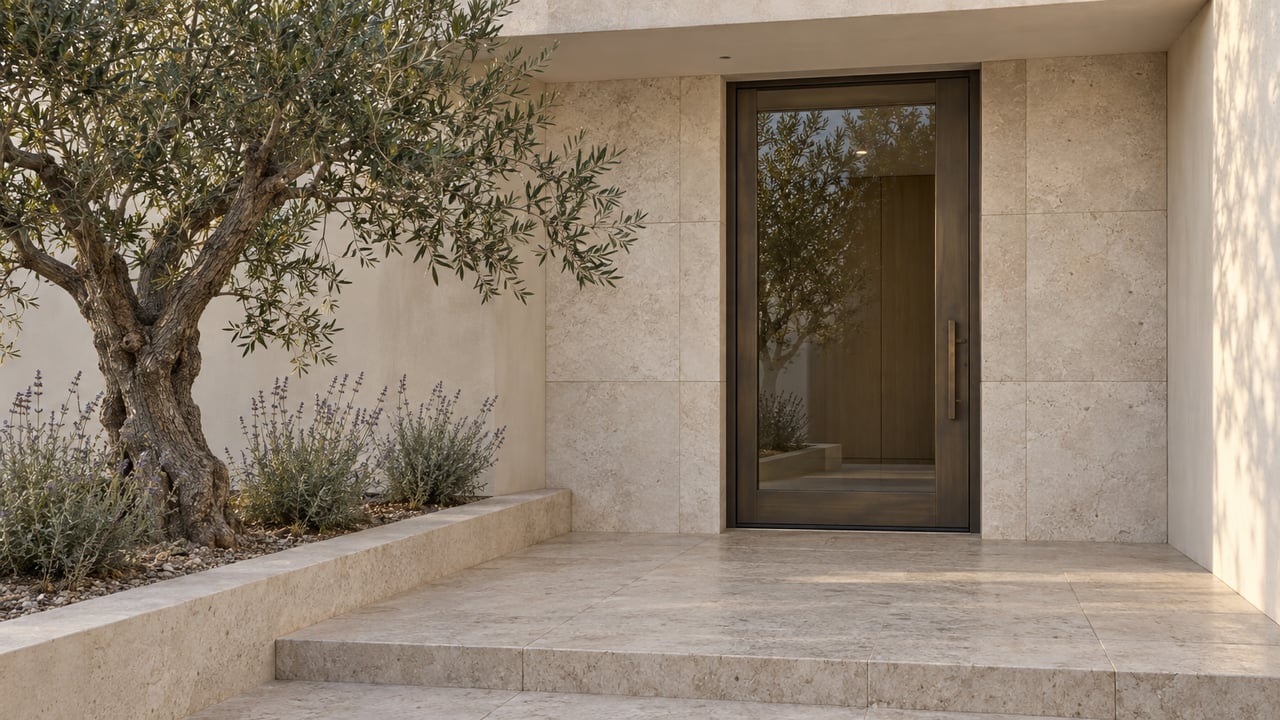
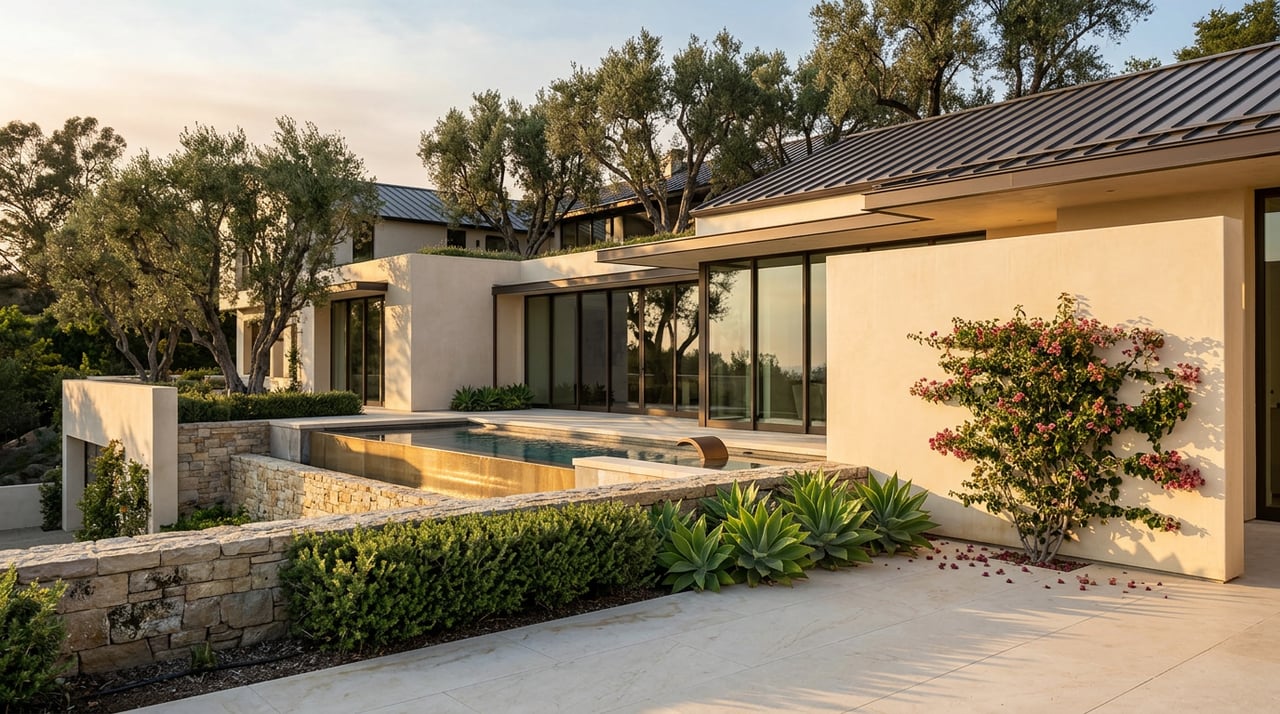
That distinction matters more in Crystal Cove than almost anywhere else in coastal Orange County, because Crystal Cove is not one housing market wearing one price tag. It is roughly ten small, architecturally distinct enclaves stacked along a bluff, each with its own lot sizes, its own HOA structure, and its own relationship to the ocean. Blend them into a single median and the number stops describing any real property. It starts describing an average of almost nothing.
A Community Built in Pieces, Not a Tract
Crystal Cove sits above Pacific Coast Highway between Corona del Mar and Laguna Beach, adjacent to Crystal Cove State Park. Public planning descriptions put the community at roughly 778 residences total, built out by several production builders, including John Laing, Standard Pacific, Greystone, Brookfield, Taylor Woodrow, and Richmond American, under names like Nautilus, Sea Crest, Sea Point, Oceana, Seabourn, Seascape, The Strand, Watermark, White Sails, and Windward. A separate custom-homesite section, sometimes referred to as the Estate Collection, sits apart from those tract-built enclaves entirely.
Home sizes across those enclaves range from roughly 2,700 square feet to more than 19,000 square feet. That is not a rounding difference. A 2,700-square-foot Seabourn residence and a 12,000-square-foot bluff-top custom estate can share a Crystal Cove mailing address and have almost nothing else in common: different lot depth, different view corridor, different construction era, different gate.
Listings surfaced earlier this year illustrate the spread directly. A unit at 3 Atlantis Cove listed at just under $12 million. A home at 14 Rockshore Bluff sold at $11.65 million. Down the same private roads, 22 Deep Sea listed at $31.5 million. Three Crystal Cove addresses, three prices that barely overlap.
What the HOA Line Actually Buys
Enclave also determines the monthly cost of ownership, and that cost varies more than most buyers expect walking in. Recent listing data shows HOA dues running around $615 a month in Sea Point and Sea Crest, climbing to roughly $892 in Oceana and $945 in Seabourn, and reaching approximately $3,030 a month for homes in the Custom Estate Collection.
| Enclave | Typical Home Size | Approximate Monthly HOA |
|---|---|---|
| Sea Point / Sea Crest | Smaller, semi-custom | ~$615 |
| Oceana | Mid-size | ~$892 |
| Seabourn | Mid-size to larger | ~$945 |
| Custom Estate Collection | Large custom, bluff-top | ~$3,030 |
These figures move with each association's budget cycle and reserve needs, so the only reliable number for a specific property is the one in that home's current HOA disclosure package. But the spread itself is the point. Two homes priced within a few hundred thousand dollars of each other can carry monthly obligations that differ by two thousand dollars or more once HOA dues are added to the mortgage math, and a portal's price-per-square-foot figure never shows that difference.
All Crystal Cove owners share access to the Canyon Club, the roughly two-acre recreation hub off Reef Point that anchors the community's pool, fitness, tennis, and social spaces. What differs by enclave is not the amenity itself but the assessment that funds it and the private road, landscaping, and security tier attached to a given gate.
The Cottages Down the Bluff Are Not a Comp
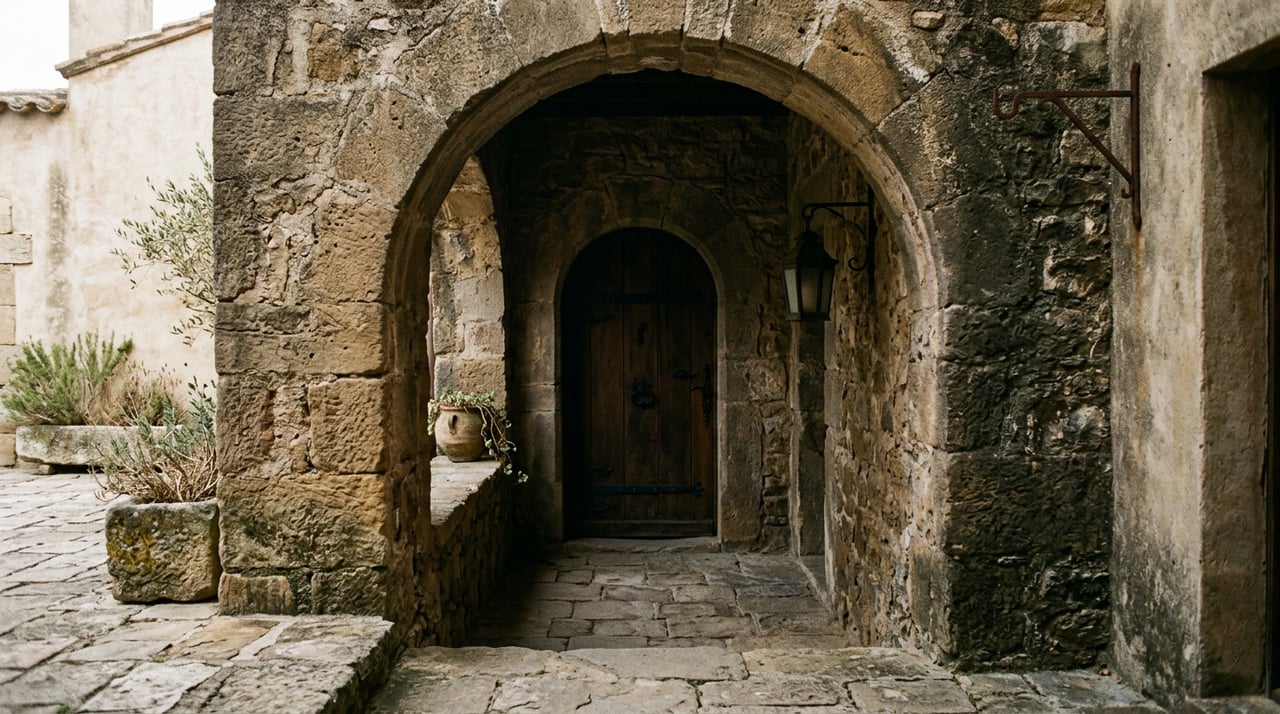
One recurring source of confusion is worth clearing up directly. Inside Crystal Cove State Park sits a Historic District of 48 cottages built in the 1920s and 1930s, occasionally used for film production and available through the park system rather than the private resale market. They are Crystal Cove in name and in setting, and they are not part of the residential enclave's inventory. A search that pulls both into the same comp set is comparing a state park concession to a guard-gated private home, which produces a distorted price picture before a single real number is even involved.
The residential enclaves sit behind their own guard gates, separate from the park's public trails and cottages below. The two coexist next to each other. They do not trade in the same market, and neither belongs in the other's pricing analysis.
Why Thin Volume Punishes a Simple Median
Across the wider Newport Coast corridor, homes priced above five million dollars change hands at a pace that works out to well under one closing a week in a typical stretch. Crystal Cove, as one slice of that corridor, sees even fewer. As of early September 2026, the community showed 16 active listings and a median of 64 days on market, a snapshot that already looks different from the 128-day figure recorded in March, simply because the mix of homes on the market shifted in the intervening months.
When a market generates five or six closings in a given month, one custom estate selling at the high end, or one smaller semi-custom unit closing at the low end, can swing the reported median by six or seven figures without a single comparable property actually losing or gaining value. The percentage change headline treats that swing as market movement. It is closer to sampling noise dressed up as a trend.
This is why a buyer or seller comparing Crystal Cove to a neighboring Newport Coast enclave should treat the blended median as a starting orientation, not a pricing tool. The real comparison happens enclave to enclave, gate to gate, and increasingly, view corridor to view corridor: full Pacific frontage, partial ocean, or canyon-facing, since each tier can move a comparable floor plan's value by a meaningful margin that a flat price-per-square-foot figure erases.
Before Comparing Two Crystal Cove Listings
A few questions turn a portal search into an accurate comparison:
- Which named enclave is the home actually in, and was it built by the same production builder as the comp being used
- What is the current monthly HOA obligation, confirmed from the association's most recent budget rather than an old listing sheet
- What is the lot depth and buildable footprint, since two homes with identical square footage can sit on very different parcels
- What is the view tier: direct ocean frontage, partial ocean, or canyon and hillside
- Is the comp actually a residential resale, or does it belong to the separate state park Historic District
California law requires sellers of homes inside a homeowners association to deliver current governing documents, budgets, and reserve information to the buyer before close of escrow, and gives the buyer a defined window to review those documents and cancel if something in them changes the deal. In a community with as many overlapping sub-associations as Crystal Cove, that review period is where carrying-cost surprises tend to surface, not at the negotiating table.
Common Questions
Is Crystal Cove's median price actually falling? The reported figure for March 2026 showed a year-over-year decline, but with only five to six closings in the comparison months, the change reflects which specific homes sold more than a broad shift in value. A single custom estate or a single smaller unit closing in a given month can move the median substantially on its own.
Are the historic cottages in Crystal Cove State Park part of the same real estate market? No. The 48 cottages inside the park's Historic District are managed through the state park system and are separate from the guard-gated residential enclaves. They should not appear in a resale comparison.
Why do HOA dues vary so much within one community? Each enclave, from Sea Point and Sea Crest to the Custom Estate Collection, maintains its own association budget and reserve schedule tied to its specific amenities, private roads, and building age. The dues attached to a listing reflect that enclave's obligations, not a single community-wide rate.
Comparing homes across Crystal Cove's enclaves, HOA tiers, and view corridors takes more than a portal search. Daftarian Group walks buyers and sellers through that comparison enclave by enclave before an offer gets written. Request a private consultation to see how a specific Crystal Cove property actually compares.