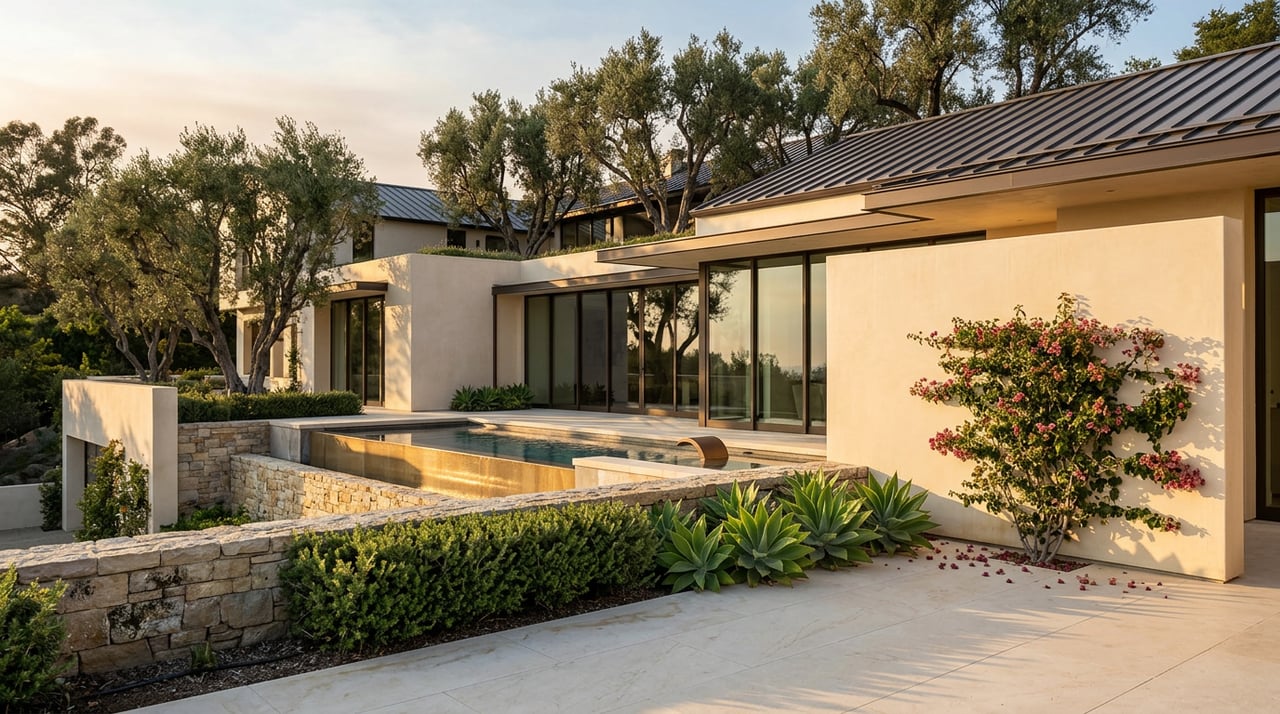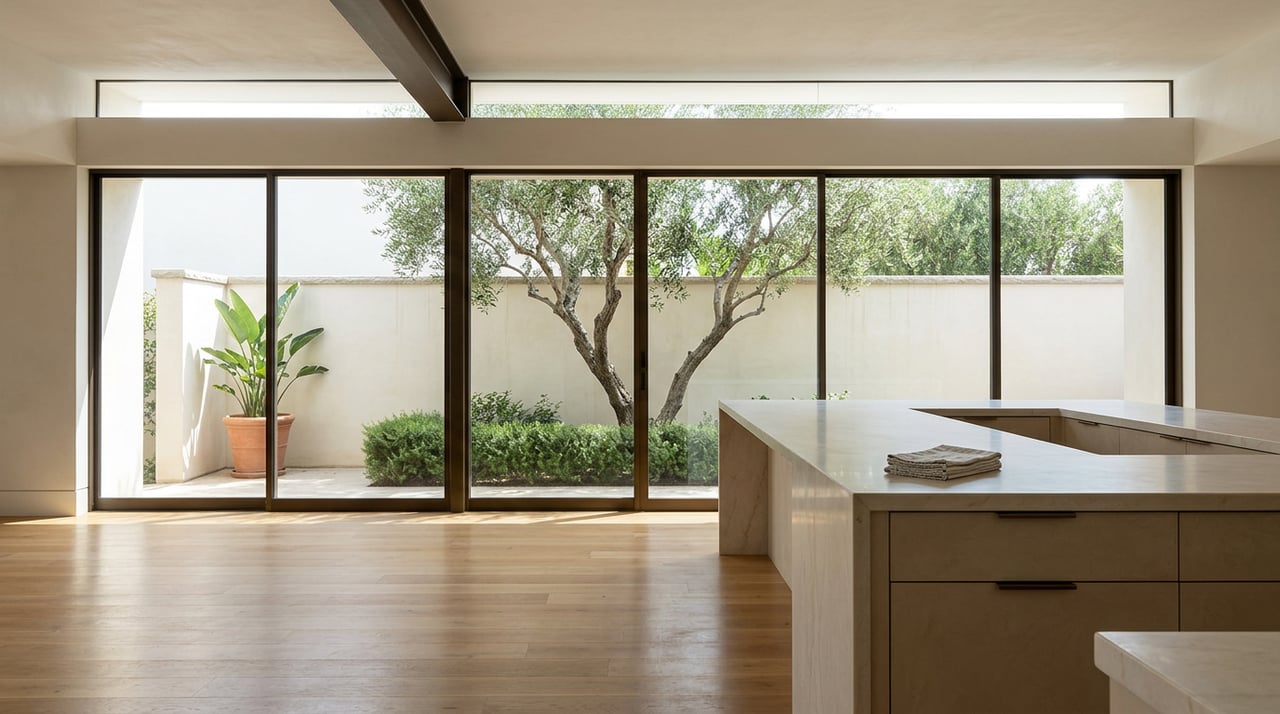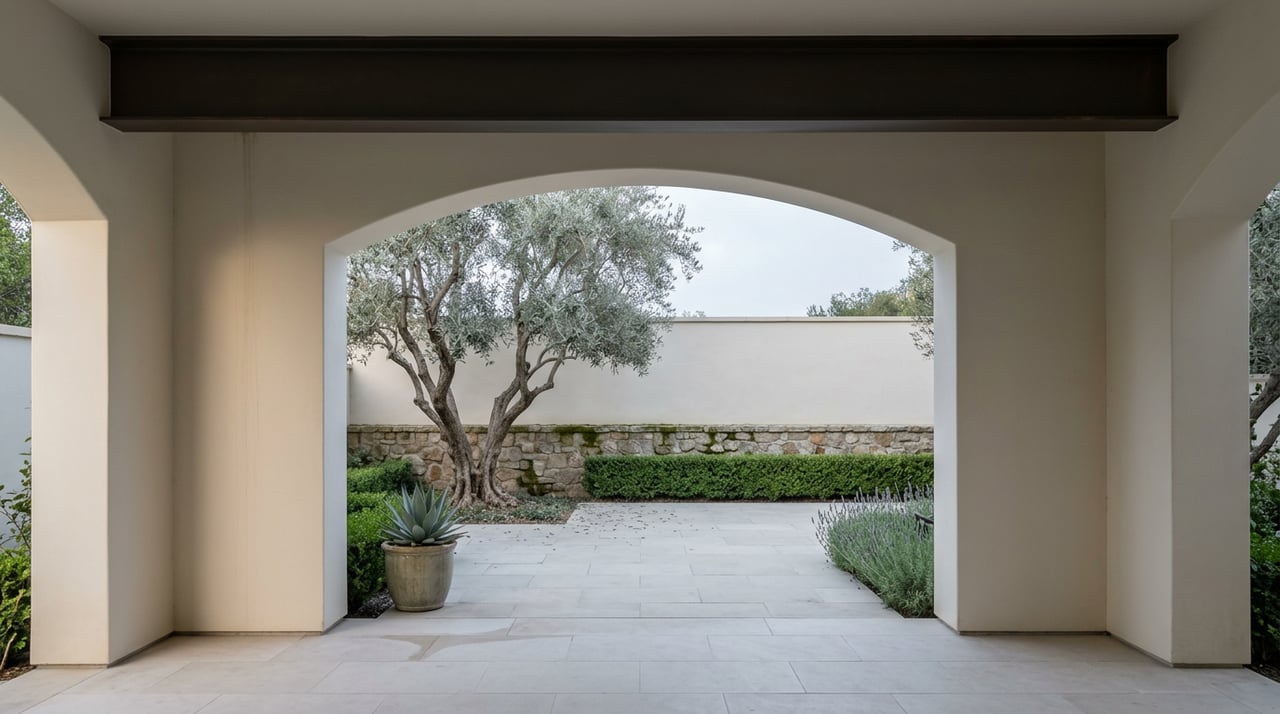
Four homes were listed for sale in Shady Canyon as of May 2026, with a median list price above $11.4 million and an average of roughly 145 days on market. For a gated enclave of only about 400 custom estates tucked into the Irvine hills, that kind of scarcity is the point. But the sale price on any of those listings tells a buyer less than they think it does.
Shady Canyon is marketed, correctly, as a golf-course community. What rarely makes it into the listing description is that the golf course is not actually part of the purchase. Neither is a meaningful share of what a buyer will spend to live there in year one, year five, or year fifteen. The home price is the entry number. The real cost of ownership is assembled afterward, in pieces most buyers do not see until they are already in escrow.
The Golf Club Is Not Part of the HOA
Shady Canyon Golf Club, the Tom Fazio-designed course that gives the community its identity, is a separate private club with its own gate inside the gate. Buying a home does not confer membership. Access is by invitation, and it carries its own initiation cost on top of the mortgage.
Golf membership runs $150,000 to join plus $1,167 a month, a figure that includes immediate family members up to age 25. A social membership, which grants access to the clubhouse, the spa and fitness center, and dining on the Talon Patio but not the course itself, runs $10,000 to join plus $475 a month, according to a golf membership marketplace that tracks private club pricing across Southern California.
That distinction matters for anyone comparing Shady Canyon to another gated hillside community on paper. A buyer evaluating two nine-figure-adjacent estates side by side, one in a club community and one in a standard guard-gated tract, needs to price in the club separately if access to it is part of why they are buying. The HOA dues that show up in the seller disclosures do not include it. Nothing in the MLS listing includes it.
What the HOA Fee Does Cover, and What It Costs to Stack on Top
The base HOA runs approximately $600 a month and funds the guarded gate, private streets, and common landscaping. That is the least expensive line on the list. Property taxes on estates in this range typically land between $90,000 and $150,000 or more annually, driven by assessed values that sit at $9 million to $11 million or higher.
Here is what a fuller annual picture looks like before financing is even considered:
| Cost Component | Approximate Annual Range |
|---|---|
| HOA dues | ~$7,200 (roughly $600/month) |
| Property taxes | $90,000 – $150,000+ |
| Golf membership (optional, invitation-only) | $1,167/month plus a $150,000 initiation |
| Social membership (optional, invitation-only) | $475/month plus a $10,000 initiation |
| Copper repipe reserve (homes built 2002–2010) | $15,000 – $40,000+, one-time |
None of these figures are secret. They are simply distributed across different documents, different vendors, and different conversations, which means a buyer comparing Shady Canyon to a coastal estate in Newport Coast or a custom lot in Turtle Ridge is often comparing an all-in number in one neighborhood to a partial number in this one.
The Design Rules Are Enforced, Not Suggested
Shady Canyon's architecture is not a loose aesthetic guideline. The community's design standards were developed by Robert Hidey Architects around the philosophy that "houses take their inspiration from the landscape," and the Shady Canyon Community Association enforces that standard through an Architectural Review Committee that governs nearly every visible change to a property.
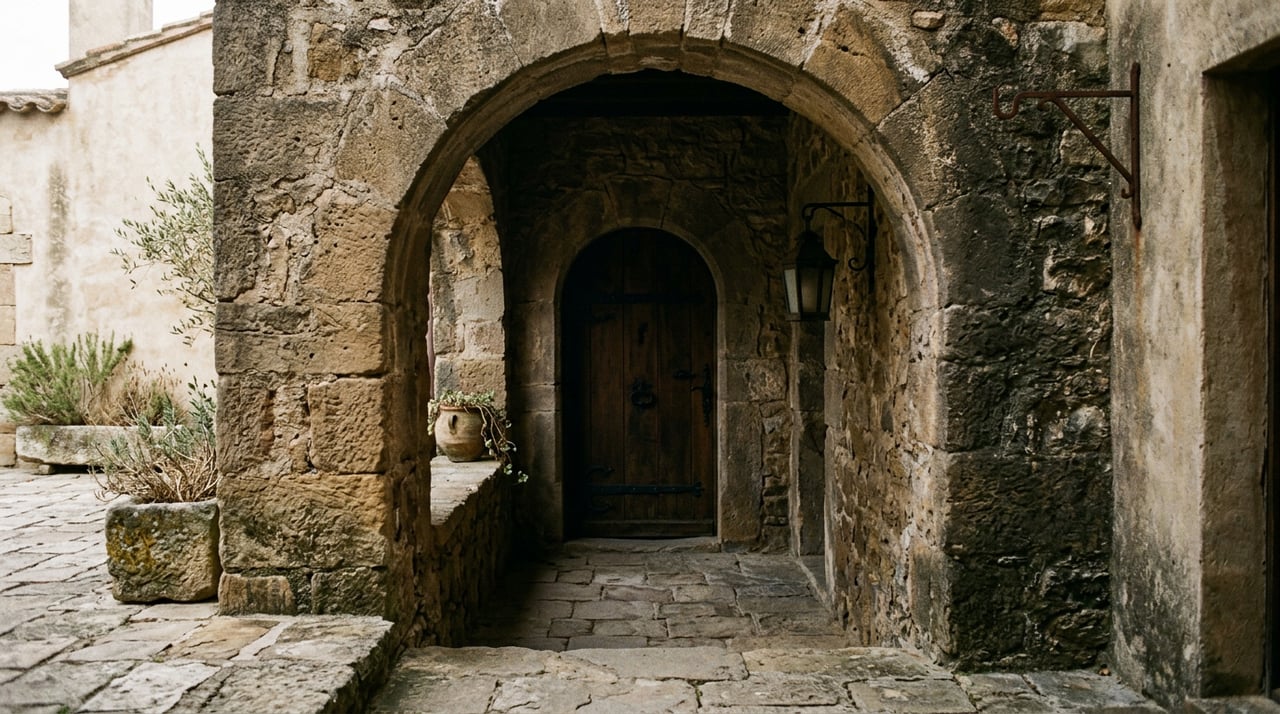
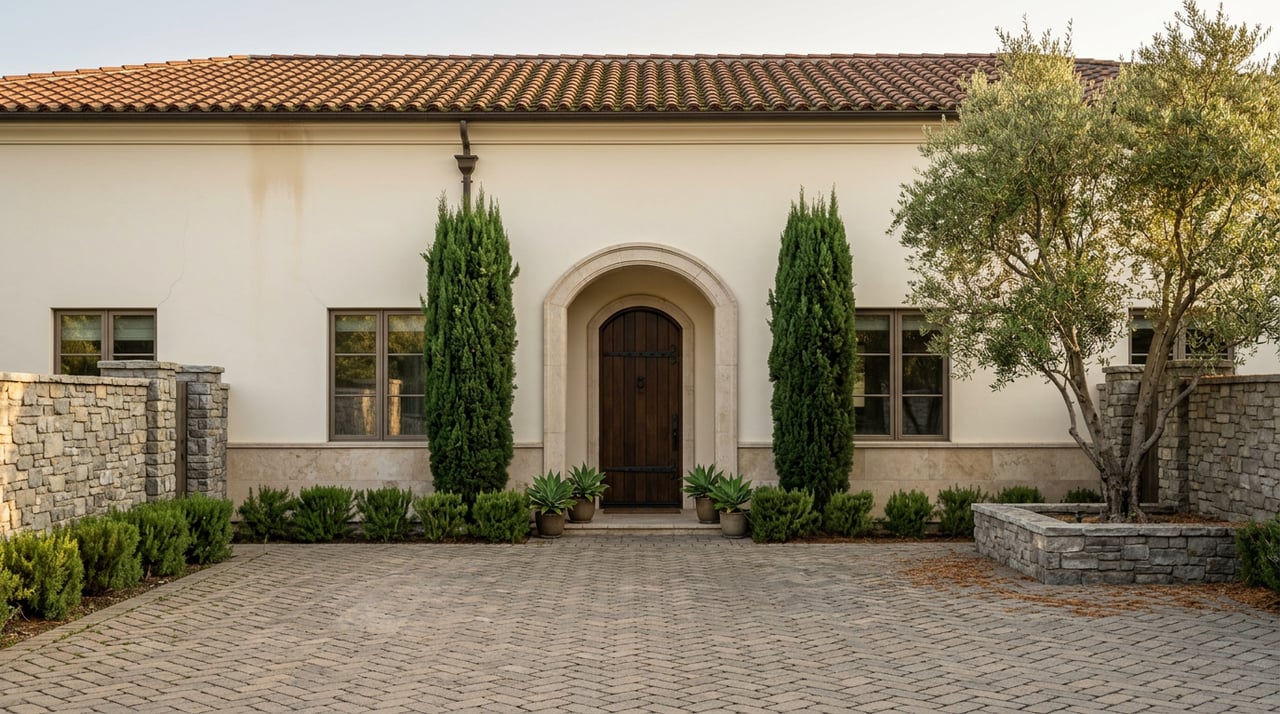
Approved styles are limited to Mediterranean, Tuscan, Moorish, Andalusian, and French Provencal. Stucco facades, clay or terra cotta tile roofs, and stone accents are required, not optional. Repainting a house, replacing a garage door, or adding outdoor lighting all require ARC approval before a contractor can be scheduled, and that review typically takes four to eight weeks.
For a buyer accustomed to renovating on their own timeline, this is a meaningful planning input, not a formality. It affects how quickly a newly purchased estate can be updated to a buyer's taste, and it affects resale positioning for anyone selling a home that has drifted from the approved material palette over two decades of ownership.
The Age of the Neighborhood Is Becoming a Line Item
Most Shady Canyon homes were custom built between 2002 and 2010. That puts the bulk of the housing stock at 16 to 24 years old as of 2026, which is precisely the window in which copper plumbing systems begin to develop pinhole leaks. A full repipe on a home in the 4,000 to 15,000-plus square foot range that defines this community runs $15,000 to $40,000 or more.
Hillside lots carry an additional consideration. Because the community sits on graded canyon terrain, geotechnical assessments, typically $2,000 to $5,000, are advisable before any major renovation to confirm drainage and foundation stability on slope-adjacent parcels. Neither cost shows up in a listing photo. Both show up in an inspection report, and increasingly, in pre-listing conversations sellers are having with their agents before a home ever goes live.
The Shady Canyon Golf Club course itself has aged well by industry standards. Golf Digest's course-ranking panel placed it 33rd in its most recent Best in State ranking for 2025-'26, consistent with rankings in the top 20 to 30 range for most of the past two decades. The infrastructure around the homes has not held up as uniformly, which is a normal outcome for a neighborhood built out over an eight-year window rather than phased over decades.
What This Changes About Comparing Neighborhoods
The mistake is not overpaying for a Shady Canyon estate. The mistake is assuming the sticker price functions the same way it would in a neighborhood without a private club, a mandatory design review board, and a housing stock concentrated in a single construction era. When FirstService Residential took over community management, it described Shady Canyon's homes as ranging from $5 million to in excess of $20 million, a spread wide enough that two buyers at very different price points can end up with nearly identical carrying costs once the club, the taxes, and the deferred maintenance are accounted for.
For a buyer weighing Shady Canyon against a comparable estate elsewhere in coastal Orange County, the useful question is not "what does the home cost" but "what does living the way this community is designed to be lived actually cost, in full." That number is rarely the one on the listing sheet.
Common Questions
Is golf club membership required to buy a home in Shady Canyon? No. Homeownership and club membership are entirely separate. A buyer can purchase in the community and never join the club, and access to membership is granted by invitation rather than automatically extended to residents.
How often does the Architectural Review Committee actually get involved? More often than most buyers expect. Exterior paint, garage doors, fencing, landscaping changes, and window replacements all require ARC approval, in addition to any structural work.
Are all Shady Canyon homes at risk of the copper repipe issue? Not universally, but a meaningful share of homes built during the 2002 to 2010 construction window are entering the age range where pinhole leaks in copper supply lines commonly appear. A pre-purchase plumbing inspection is worth the cost for any home in this era.
Buyers weighing Shady Canyon against other coastal Orange County estates deserve a full accounting before they tour, not after they close. Daftarian Group provides that kind of grounded, discreet guidance for buyers and sellers moving through the region's most exclusive gated communities. Request a Private Consultation to talk through what a specific Shady Canyon estate would actually cost to own, not just to buy.