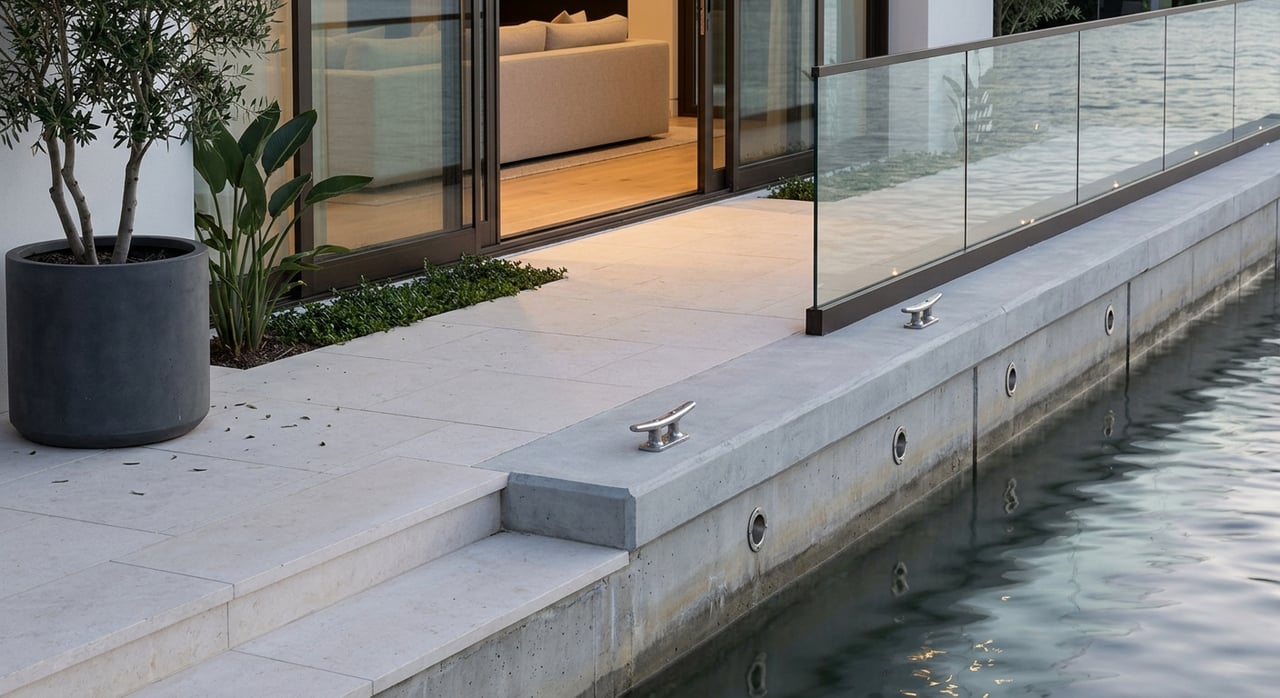
Selling a Newport Beach waterfront estate is rarely just about polishing finishes and scheduling beautiful photography. If your home sits on the bay, harbor, or oceanfront, buyers often look beyond design and ask harder questions about docks, bulkheads, permits, flood exposure, and records. When you prepare early, you can present not only a stunning property, but also a cleaner, more certain ownership story. Let’s dive in.
Why waterfront prep is different
In Newport Beach, waterfront properties can be shaped by several layers of review at once. The California Coastal Commission notes that development in the coastal zone is broadly regulated and often requires a coastal permit, while the City of Newport Beach regulates harbor structures and certain oceanfront improvements through its own codes and permit processes.
That matters when you are preparing to sell because market readiness is not only cosmetic. For many waterfront estates, pre-listing work also includes confirming permit history, reviewing shoreline improvements, and organizing reports that help a buyer feel confident about what they are purchasing.
Start with records and compliance
One of the smartest first steps is to gather the property’s paper trail before the listing goes live. Newport Beach offers a voluntary Residential Building Records report, which compares permit history and zoning information with what is visible onsite and identifies obvious life-safety issues.
The City says most buyers insist on this inspection, and the report can take up to 30 days to process. For a high-value waterfront sale, that timing alone is a good reason to begin well before photography, staging, or launch planning.
Review past improvements carefully
If you have completed recent work, organize those files now. California’s disclosure framework requires a Real Estate Transfer Disclosure Statement and Natural Hazard Disclosure Statement, and the Department of Real Estate notes that expert reports can help limit liability when they address the conditions being disclosed.
There is also an added disclosure rule for some recent owners. If you took title within the previous 18 months, certain contractor-performed additions, structural modifications, alterations, or repairs of $500 or more may need to be disclosed with contractor names and permit copies, according to the California DRE update.
Inspect the waterfront structures early
For many Newport Beach estates, the value story includes more than the home itself. A dock, pier, gangway, boat lift, or mooring setup can be a major buyer draw, but only if the condition and rights are clear.
Newport Beach’s Harbor Design Criteria emphasize safety, durability, corrosion resistance, and inspection of pilings before installation. In practical terms, that supports ordering a pre-listing review of visible marine elements such as piles, gangways, electrical and water service, lifts, and signs of settlement or corrosion.
Clarify what transfers with the property
If your property involves a mooring, slip arrangement, or live-aboard component, confirm the status early with the Newport Beach Harbor Department. Buyers will want to understand whether they are acquiring a private dock, a mooring right, a slip arrangement, or simply access to the harbor from the land.
That distinction can shape value and expectations. It is much better to answer those questions upfront than during escrow.
Do not overlook the bulkhead or seawall
On waterfront parcels, the shoreline edge often deserves as much attention as the residence itself. Newport Beach defines a bulkhead or seawall as the retaining wall that separates dry land and water areas, and the City’s coastal development permit checklist requires a bulkhead conditions report for properties with a bulkhead on-site.
That report must analyze existing condition and recommend repair, augmentation, or replacement, while also addressing options that avoid seaward encroachment. If your home has a bulkhead, this is not a detail to leave for the buyer to discover.
Check for coastal hazards too
The same City checklist explains that shoreline properties exposed to erosion, flooding, wave run-up, or wave impacts may also need a coastal hazards report. That type of review can address beach erosion, high tide conditions, storm waves, bluff stability, and mitigation measures.
For sellers, the benefit is straightforward. A buyer considering a premium waterfront purchase will often respond better to documented condition than to uncertainty, especially when the shoreline itself is part of the asset.
Verify flood and hazard status
Waterfront buyers are often highly attuned to insurance, resilience, and long-term holding costs. The Natural Hazard Disclosure Statement covers special flood hazard areas, inundation areas, earthquake fault zones, and seismic hazard zones, and it notes that these conditions may affect development, insurance, or post-disaster assistance.
FEMA’s official flood maps are the key reference point. FEMA states that areas with at least a 1% annual chance of flooding are considered high-risk, so confirming the property’s flood map status early can help avoid last-minute surprises.
Address drainage and site work before launch
Many sellers want to refresh hardscape, improve landscaping, or correct drainage before bringing a property to market. On waterfront parcels, that work deserves extra planning because Newport Beach’s coastal development permit checklist notes possible review related to water quality, drainage, and pollution prevention, especially when construction involves ground disturbance or runoff toward the harbor, bay, or beach.
That does not mean you should avoid improvements. It means you should scope them thoughtfully, confirm whether permits may apply, and avoid rushing through cosmetic work that creates documentation issues later.
Confirm oceanfront encroachments
If your estate is oceanfront, check whether any private improvements extend into the public right-of-way or beach-adjacent area. Newport Beach has an Oceanfront Encroachment Permit and Agreement process for certain private improvements, including some patio slabs or decks and certain low walls or fences, and the City charges an annual fee for permitted improvements.
This is one of those issues that can look minor until a buyer or advisor starts asking questions. If an improvement appears to sit beyond the privately owned footprint, it is wise to verify its status before marketing begins.
Protect the view story
In a Newport Beach waterfront sale, views are not only emotional. They can also be part of the property’s legal and records profile. The City’s Local Coastal Program standards allow the City to require visual impact analysis when a project may affect public viewsheds, and they note that view protection may be addressed through deed restrictions or easements.
The same standards also say that landscaping, fencing, parked cars, and other nonstructural elements should not block views or create the appearance of the harbor being walled off from the public right-of-way. For sellers, that creates a practical checklist for photography and showings.
Simple view-focused prep steps
Before media day or private tours, consider:
- Trimming hedges or overgrown landscaping
- Moving vehicles away from key sightlines
- Clearing terrace, dock, and balcony clutter
- Opening window treatments fully for daylight photography
- Reviewing whether any visible structures raise permit or easement questions
These steps help the property show better, but they also help present a cleaner view-and-access narrative.
Stage for lifestyle and certainty
Staging remains one of the most effective tools in the pre-listing process. According to the National Association of Realtors 2025 Profile of Home Staging, 29% of agents said staging led to a 1% to 10% increase in the dollar value offered, 49% said staging reduced time on market, and 83% of buyers’ agents said staging made it easier for buyers to visualize the property as a future home.
NAR also highlights practical presentation details such as improving lighting and opening window treatments. On a Newport Beach waterfront estate, that often supports a day-to-night marketing plan that captures clear water views by day and architectural glow, reflections, and exterior ambiance at twilight.
Focus on the spaces buyers remember
NAR reports that the living room, primary bedroom, dining room, and kitchen are the spaces most commonly staged. In a waterfront estate, you can extend that logic to the areas that define the property’s lifestyle appeal:
- Great room
- Primary suite
- Kitchen and dining areas
- Waterfront terrace
- Pool deck
- Dock or pier approach
- Outdoor entertaining areas
The goal is not simply to make the home look beautiful. It is to help a buyer understand how the residence, shoreline, and views work together as one complete offering.
Build a stronger pre-listing package
For a premium waterfront home, strong preparation often comes down to reducing uncertainty. A well-organized file may include permit records, the RBR, dock or marine reviews, bulkhead or seawall reports, hazard information, and any available expert evaluations related to drainage, pest, or site conditions.
When that package is assembled early, your listing can feel more turnkey and more credible. In a high-end market, that confidence can influence showing quality, negotiation leverage, and the overall pace of the transaction.
The bottom line for Newport Beach sellers
Preparing a Newport Beach waterfront estate for market is not just about presentation. It is about pairing world-class marketing with documented condition, organized disclosures, and a clear understanding of how the water-side improvements fit within City and coastal requirements.
That is where a white-glove process can make a meaningful difference. For sellers who want a discreet, highly coordinated approach to pricing, preparation, staging, and launch strategy, Daftarian Group offers private consultation tailored to Newport Beach’s most complex and valuable coastal properties.
FAQs
Should I order a dock or bulkhead review before listing a Newport Beach waterfront estate?
- Yes. Newport Beach requires a bulkhead conditions report for properties with an on-site bulkhead, and the City’s Harbor Design Criteria emphasize structural safety and corrosion resistance for waterfront facilities.
Does a Newport Beach waterfront seller need to worry about past permits?
- Yes. The City’s Residential Building Records report compares permit history with what exists onsite, and California disclosure rules may require additional detail for some recent contractor-performed work.
Do views matter legally when selling a Newport Beach waterfront home?
- Yes. Newport Beach’s Local Coastal Program can require visual impact analysis and may use deed restrictions or view protection easements where public viewsheds are affected.
What should an oceanfront Newport Beach seller verify about encroachments?
- You should confirm whether any patio, deck, wall, fence, or similar improvement extending into the public right-of-way is covered by the City’s Oceanfront Encroachment Permit and Agreement process.
How early should I start preparing a Newport Beach waterfront property for sale?
- Earlier than most sellers expect. The City says the Residential Building Records report can take up to 30 days, and waterfront reviews, disclosures, and staging decisions often take additional time.