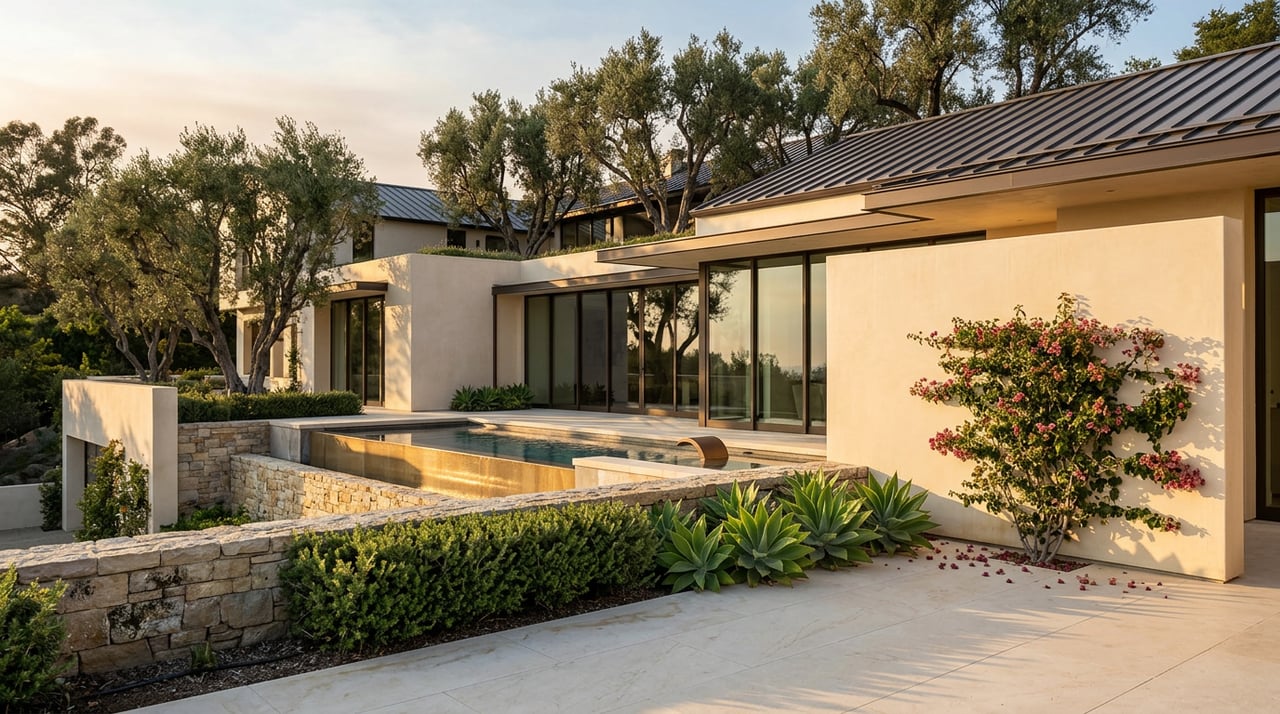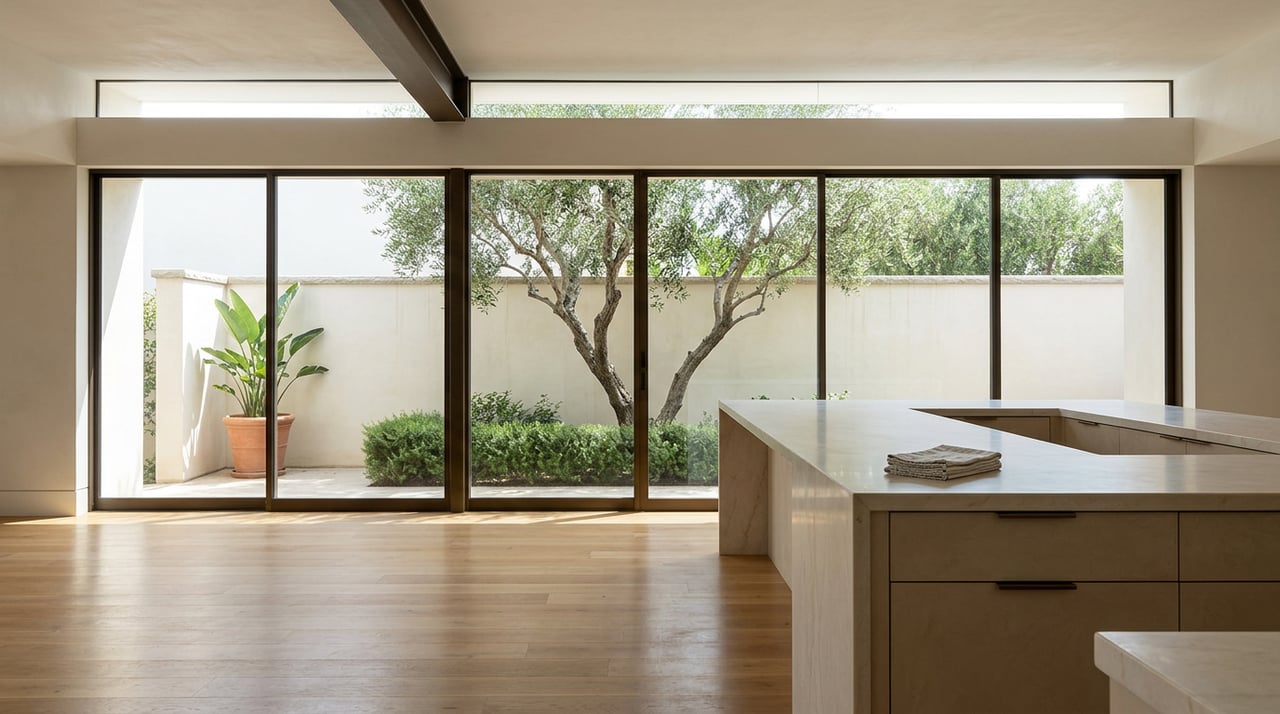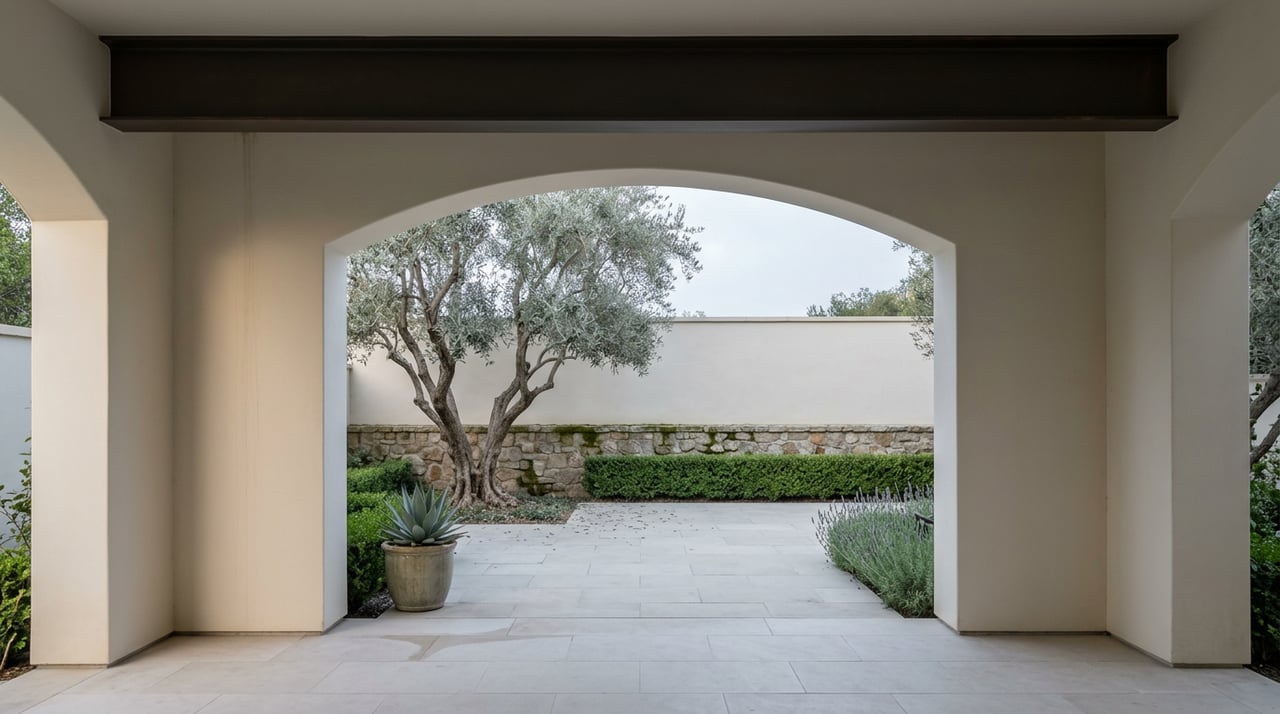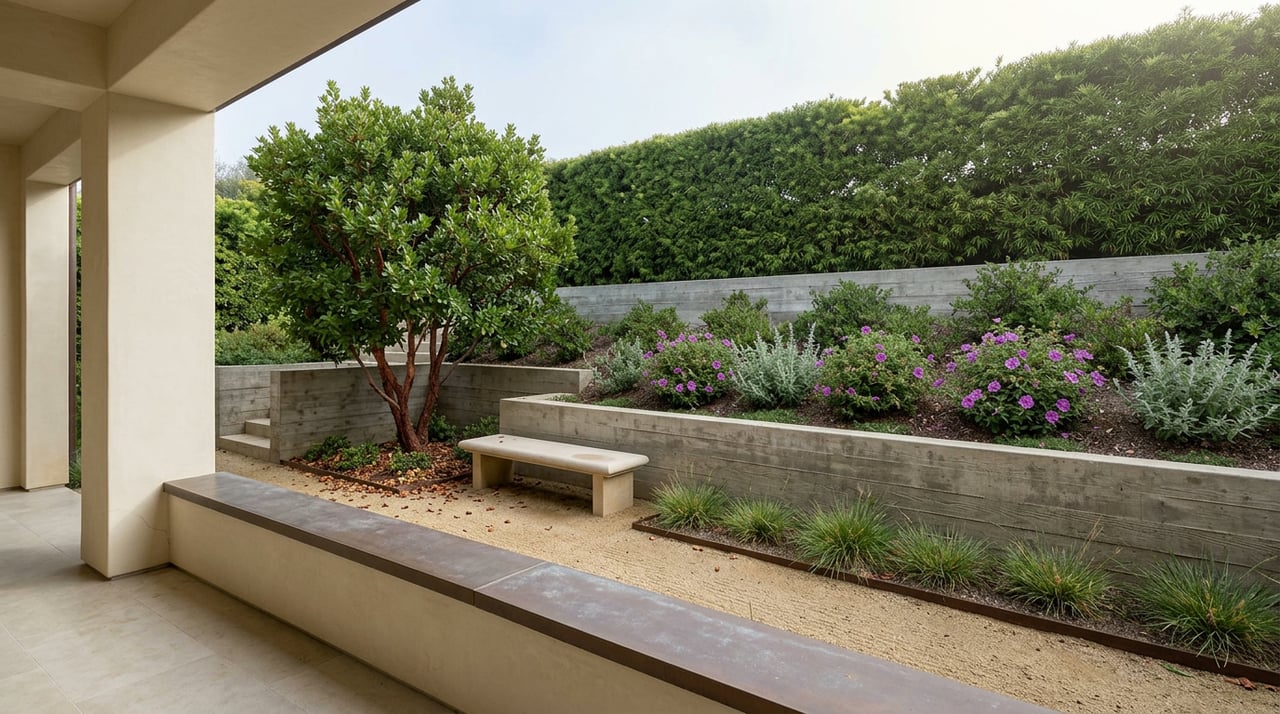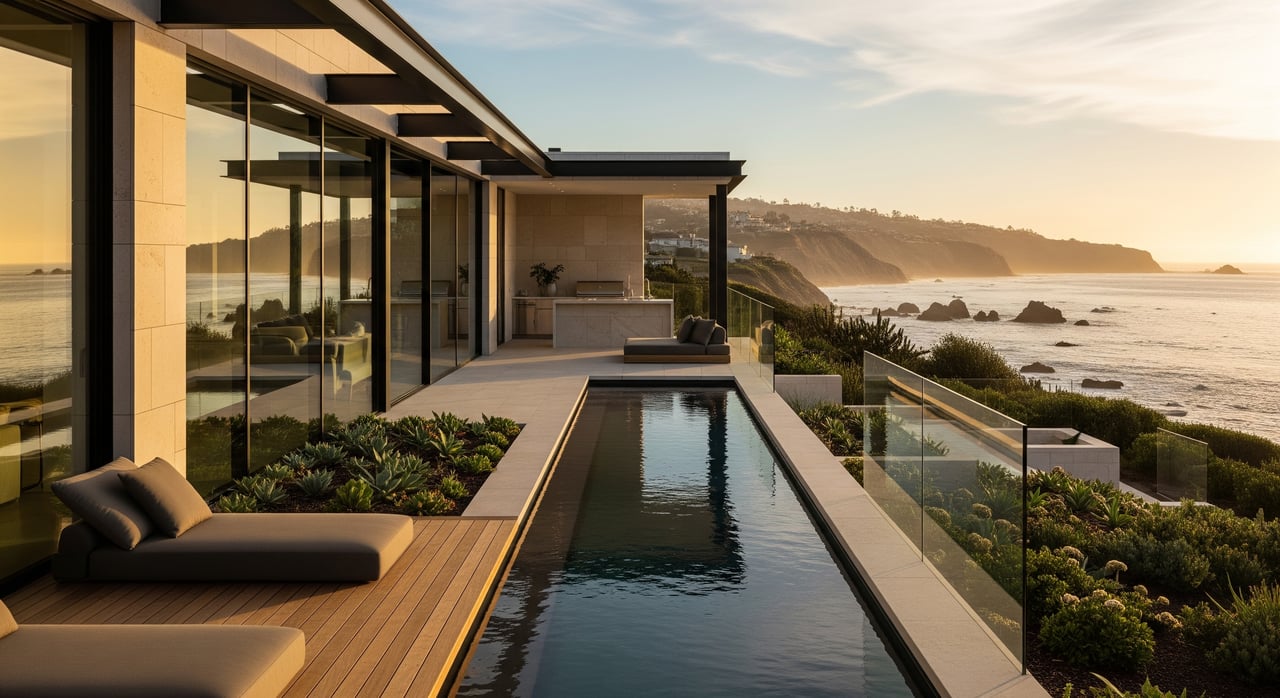
Not all ocean views are created equal. In Laguna Beach, two homes on the same street can command very different prices based on the view’s quality, how you live with it day to day, and the practical factors that support it. If you want to buy confidently or sell at the top of the market, you need to know exactly which attributes move value and which can hold it back. This guide breaks down the real drivers behind ocean‑view premiums in Laguna Beach and how to evaluate them like a pro. Let’s dive in.
Why views command a premium
Laguna Beach is compact, scenic, and built on steep coastal hills. Unobstructed ocean horizons are scarce, and that scarcity fuels demand. Buyers place a premium on water views for the daily visual amenity, sunsets, and the lifestyle they represent.
Published studies and market commentary report view premiums that commonly start in the low double digits and can reach 30–40% in exceptional cases. The exact number for any property depends on local comparable sales and appraisal support.
View quality and orientation
A view is more than a window to the water. It has attributes you can measure and compare.
Orientation and sunsets
West or southwest-facing views that capture sunset horizons often spark the strongest buyer emotion. A clear, uninterrupted horizon usually outperforms a side‑angle or partial view. Direction matters when you want predictable sunsets and glow.
Breadth and panorama
A wide, sweeping panorama is valued more than a narrow “peek‑a‑boo.” When multiple principal rooms share the same panoramic outlook, the view becomes a daily feature rather than a single‑spot moment.
Elevation and horizon depth
Higher elevation can extend the horizon and look over rooftops, beaches, and headlands. Shoreline proximity has its own appeal, but hillside or bluff‑top positions often trade on the vista itself. The best outcomes pair elevation with comfortable, usable outdoor space.
Permanence and obstruction risk
A view with low risk of future blockage is worth more. If adjacent lots are buildable or there are no protections in place, buyers discount the risk. Where open space, view corridors, or practical height limits exist, permanence becomes part of the premium.
Dynamic elements
Coastline contours, passing ships, or seasonal marine life can add charm, but buyers still value permanence and breadth first. Treat dynamic elements as a bonus, not the core driver.
Privacy and sightlines
Privacy is a major price lever. In a town with public parks, trails, and popular overlooks, the wrong sightline can limit how you use decks and patios.
Homes above well‑visited parks or promenades, such as Heisler Park or access areas near Crystal Cove, can experience more foot traffic and viewpoints into outdoor spaces. Close lot lines and narrow setbacks can also invite neighbor sightlines. Landscaping, smart screening, and thoughtful room placement can preserve views while boosting privacy.
Indoor‑outdoor flow and design
You pay more when the view is part of daily living. That means design choices that move the ocean from a passive backdrop to an active amenity.
- Large sliders or folding glass walls that open living rooms to decks or patios.
- Rooftop or bluff‑set terraces with year‑round usability.
- Minimal interior obstructions and consistent flooring that pulls the eye outward.
- Covered zones that protect from wind and allow dining and lounging in more seasons.
When kitchens, great rooms, and the primary bedroom all capture the same outlook, buyers see and pay for the lifestyle, not just the view.
Parking and access
In Laguna Beach’s tight neighborhoods, parking is a real value component. Deeded garage spaces or secure off‑street parking can materially influence price.
A property that pairs a great view with convenient access to village centers and beaches is more compelling than a similar view at the end of a steep, narrow driveway. If you plan to rent, know that local parking requirements and permit rules can affect rental eligibility and pricing. Always confirm current regulations with the city before underwriting income potential.
Noise and microclimate
Livability matters. Two homes with similar views can diverge in price because of acoustics or weather.
- Traffic noise from Pacific Coast Highway or Laguna Canyon Road can reduce appeal.
- Aircraft noise patterns from John Wayne Airport can touch certain pockets; verify exposure with current noise maps.
- Surf sound is subjective. Some buyers love it, some find it disruptive at night.
- Wind and shade affect outdoor use. Ridges and exposed bluffs can be windy, while sheltered coves often feel more comfortable year‑round.
Coastal hazards and permitting
Long‑term risk and regulation shape value and financing.
- Sea level rise and bluff erosion: Bluff‑top properties may face setback requirements or limits on future improvements. Buyers discount high hazard exposure.
- FEMA flood zones: VE or A zone designations can change insurance needs and carrying costs.
- Geotechnical and slope stability: Hillside and bluff lots often require specialized reports, engineered foundations, and drainage.
- Coastal permitting: The Coastal Act and local policies prioritize scenic resources, which can limit shoreline armoring and certain exterior changes. Understand what is and is not possible before planning major improvements.
Infrastructure and maintenance
Connections and condition matter at the coast. Most areas are sewer‑served, but confirm your property’s setup. Ocean exposure accelerates wear on roofs, decks, railings, and retaining walls. Buyers weigh expected maintenance and replacement cycles when pricing offers, especially for bluff‑top settings.
How appraisers quantify view value
Valuation professionals break “view” into degrees and functional use, then measure it against local sales.
- Comparable sales: Appraisers look for recent, nearby comps with similar view degree, number of rooms with a view, outdoor usability, parking, and overall condition. Adjustments are expressed in dollars or percentages based on local data.
- Degree and permanence: Unobstructed panoramic horizons, partial views, or peek‑a‑boos each carry different adjustments. Views serving multiple principal rooms price stronger than a single‑room view.
- Functional obsolescence: Poor sightlines or limited access to outdoor space can justify downward adjustments, while high‑quality terraces and operable walls can support higher prices.
- Income lens: If a property’s rental value is part of the thesis, view premiums can be capitalized, but local rental rules and parking requirements must pencil.
Remember, published premiums are guides. Your precise number lives in a well‑built comp set and an appraisal that explicitly describes view degree and livability.
Seller action plan to maximize price
Use this checklist to showcase your view and support top‑of‑market outcomes.
- Document the view: Capture high‑quality photos and video from multiple rooms, times of day, and key seasons.
- Verify permanence: Review neighboring parcels, building envelopes, and any public view corridor protections.
- Enhance privacy and acoustics: Add low‑profile landscaping or screens and consider sound mitigation if near traffic or flight paths.
- Improve flow: Where cost‑effective, upgrade decking, railings, and openings so main living spaces connect directly to outdoor areas.
- Prepare diligence: Provide recent pest, roof, and, if applicable, geotechnical information; note flood zone status and any coastal permits.
- Highlight parking: Clearly state garage and deeded spaces and explain guest parking policies.
Buyer due diligence for ocean‑view homes
Protect your investment by confirming the details behind the picture.
- Define the view: Sunset axis, horizon breadth, coastline features, and which principal rooms and outdoor areas capture it.
- Assess permanence: Study adjacent lots, heights, and easements to gauge obstruction risk.
- Check hazards and insurance: Flood map status, sea‑level and bluff‑erosion context, and the need for geotechnical review on slopes.
- Confirm parking and access: Deeded spaces, driveway grades, street restrictions, and emergency access on narrow roads.
- Test livability: Visit at different times to evaluate traffic, surf sound, wind, and shade.
- Verify permits: Understand what changes would require city or Coastal approvals before planning renovations.
- Ask for comps: Request closed sales that match view degree, orientation, privacy, and indoor‑outdoor usability.
Working with a local expert
In Laguna Beach, nuances like sunset axis, bluff stability, and parking rules can shift value by seven figures. You deserve a partner who understands these micro‑drivers and how to position them for maximum price realization.
Daftarian Group pairs hyper‑local expertise with a six‑star, concierge process tailored to high‑value coastal homes. Whether you are preparing a record‑setting sale or searching for an ocean‑view retreat, the team aligns view quality, livability, and risk to deliver superior financial and lifestyle outcomes. Ready to talk strategy? Connect with Daftarian Group.
FAQs
How much do ocean views add to price in Laguna Beach?
- Literature and market commentary often show low double‑digit premiums, reaching 30–40% in exceptional cases, but your exact premium depends on recent local comps and a view‑specific appraisal.
What matters more: elevation or distance to the water?
- Elevation that clears rooftops and expands the horizon often outperforms closer proximity with a limited view, but the best value combines a broad outlook with comfortable, usable outdoor space.
How can I tell if my view is protected from future obstruction?
- Review neighboring parcel rights, height limits, and any view corridors or open space; confirm whether adjacent lots are buildable and at what heights before you rely on permanence.
Which design features best convert views into value?
- Large operable glass, view‑oriented kitchens and great rooms, year‑round terraces, and minimal interior obstructions make the view a daily amenity buyers will pay for.
How does parking affect value in Laguna Beach neighborhoods?
- Deeded garage or off‑street spaces are a measurable advantage in tight areas with street restrictions, improving both resale and rental potential.
What coastal risks should I evaluate before buying a bluff‑top home?
- Assess bluff‑erosion history, required setbacks, flood zone status, and the need for geotechnical engineering; these factors affect insurance, financing, and long‑term value.