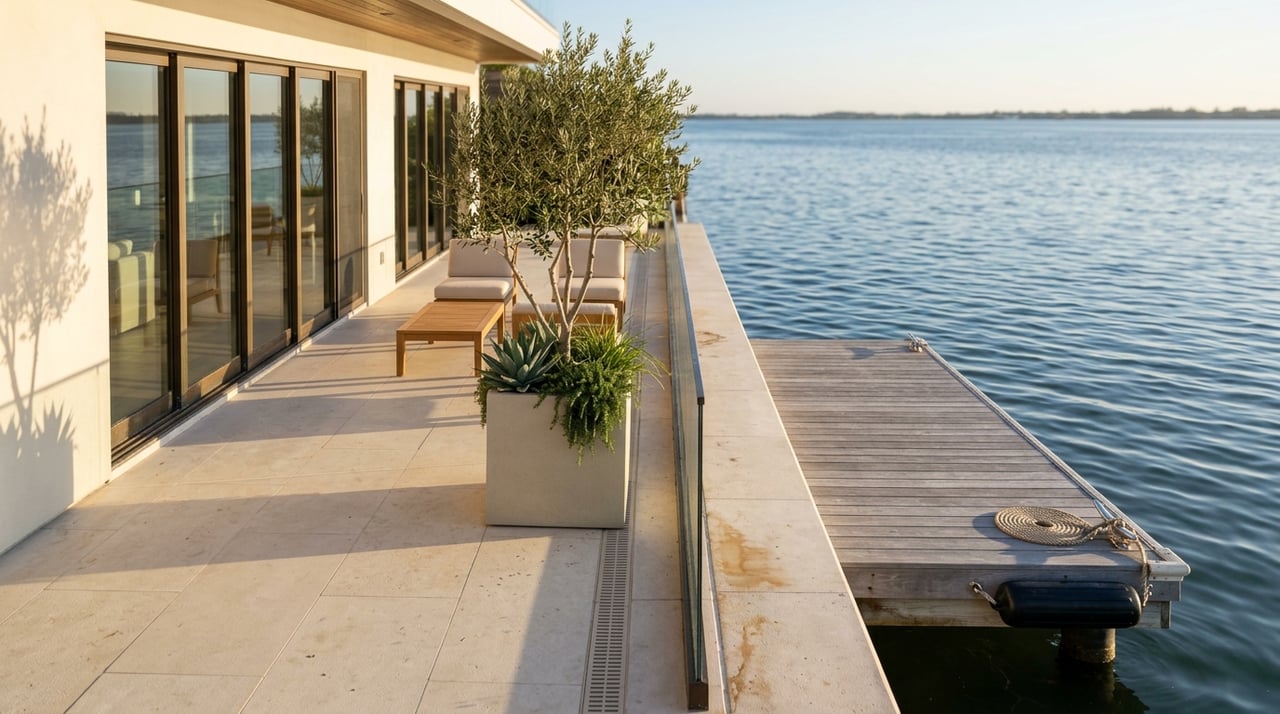
What looks effortless in listing photos often feels very different in real life. In Newport Beach, waterfront living can mean a walkable harbor loop, a boat-focused routine, a lively Peninsula block, or a quieter ocean-view setting farther from the marina traffic. If you are considering a waterfront purchase here, it helps to understand how daily life actually works beyond the view. Let’s dive in.
Newport Beach waterfront is not one lifestyle
Newport Beach offers several distinct waterfront settings, not one uniform experience. The city describes Balboa Peninsula, Lido Marina Village, Balboa Island, Corona del Mar, Newport Coast, and the harbor islands as places with different residential and commercial character.
That difference matters when you are deciding where to buy. Newport Beach includes a 21-square-mile harbor area with more than 9,000 boats docked within it, plus eight miles of ocean beach, so the way you use the water can vary sharply by location.
Balboa Peninsula feels active and connected
On the Balboa Peninsula, the city groups Lido Village, Cannery Village, McFadden Square, and Balboa Village along the Newport Boulevard and Balboa Boulevard corridor. These areas are described as pedestrian-oriented centers with cross-access between the harbor and the beach.
In practical terms, that often means more movement, more visitors, and easier access to dining, promenades, piers, and harbor activity. McFadden Square sits between the oceanfront and harbor around Newport Pier, while Cannery Village reflects the city’s historic boating and commercial fishing roots.
Harbor islands are more residential in character
The city describes Bay Island, Collins Island, Harbor Island, Lido Isle, Linda Isle, Little Balboa Island, and Newport Island as strictly residential. Balboa Island stands apart because it combines homes with small commercial areas.
If you want a setting that feels more private and home-focused, these areas may align more closely with that goal. The tradeoff is that the day-to-day experience is typically less about busy visitor activity and more about a residential waterfront routine.
Corona del Mar and Newport Coast offer a different waterfront lens
Corona del Mar and Newport Coast are part of the Newport Beach story, but they deliver a different kind of coastal living. The city highlights Corona del Mar for ocean and harbor entrance views, beaches, and an inland downtown with shops and restaurants, while Newport Coast is described as newer hillside homes with ocean views.
For many buyers, that means a more scenic and less harbor-centric lifestyle. You may be near the water visually and geographically, but your daily rhythm can feel more private and less walkable than on the Peninsula or Balboa Island.
Boat access changes the experience
If boating is central to your lifestyle, the biggest question is not just whether a home is on the water. It is how your boat access will actually work.
Newport Harbor is one of the largest recreational harbors in the country, and the Harbor Department manages patrols, moorings, guest slips, the guest marina, and related harbor services. The city also enforces a no-wake zone, a 5 mph speed limit, a no-discharge zone, no dumping, and quiet hours from 10 p.m. to 7 a.m.
Draft, channel depth, and traffic matter
Not every waterfront address offers the same boating function. The harbor is more than three miles long, and the city notes that depth along Lido Isle can be as little as nine feet.
The harbor entrance is broad, but the city warns of heavy vessel traffic there, especially from April through November. Along the main channel, boaters also navigate regular ferry crossings between Balboa Island and the Peninsula, with as many as three ferries operating during peak periods.
Dock convenience is structured, not casual
Buyers sometimes assume that dock access transfers as simply as a view does. In reality, if a home includes a permitted dock or pier, the city requires an application, seller and buyer signatures, an inspection, and roughly five to 15 working days for transfer.
If you are not purchasing a home with private dock rights, you may be looking at city moorings, public docks, or guest slips instead. Mooring reservations can be requested 48 hours in advance, guest permits can run up to 15 days, and Marina Park guest slips can be booked six months ahead.
The right question is where the boat lives
That is why waterfront convenience in Newport Beach is about more than frontage. For a boat-first buyer, one of the most important questions is whether your vessel will live at a private dock, on a city mooring, or in a marina slip.
That answer can change how spontaneous your boating routine feels. It can also shape which corridor fits you best from the start.
Walkability depends on the corridor
Some Newport Beach waterfront areas invite you to step outside and make a loop on foot. Others are better suited to a drive-first routine with visual access to the coast rather than immediate pedestrian activity.
This is one of the clearest differences that photos do not always show. A beautiful view does not necessarily mean a walkable daily pattern.
Balboa Island supports an easy walking rhythm
The city highlights Balboa Island’s Marine Avenue shops, galleries, restaurants, ferry access, and perimeter walking path. Its Balboa Island Loop is a 1.70-mile paved harbor walk.
That creates a practical day-to-day rhythm for many owners. You can think in terms of short harbor walks, casual errands, and repeatable loops rather than longer excursions.
Lido Village blends waterfront access and polish
Lido Marina Village is described by the city as a waterfront dining and shopping area. The general plan also frames Lido Village as a pedestrian-oriented waterfront environment at the harbor turning basin.
That usually appeals to buyers who want marina energy and convenience without the same feel as the busiest Peninsula blocks. It reads as more curated and waterfront-facing than purely recreational.
Peninsula living brings the most activity
Balboa Village is described as the historic center for recreational and social activity on the Peninsula. The city points to visitor-oriented retail, harbor tours, bars, live music, and the way Ocean Front Walk transitions into sunset viewing and dining as the day winds down.
For some buyers, that energy is the appeal. For others, it is a reason to choose a more residential corridor nearby.
Seasonality is mild, but the rhythm shifts
One reason Newport Beach waterfront homes appeal to year-round users is the climate. NOAA normals for Newport Beach Harbor show average highs of about 64.5°F in January, 71.8°F in July, and 73.3°F in August, with 9.43 inches of annual precipitation and no measurable snow.
That mild pattern supports regular waterfront use through the year. Still, the social and logistical rhythm changes depending on the season and event calendar.
Summer and holidays feel busier
City lifeguards operate 365 days a year across 6.2 miles of ocean beaches and 2.5 miles of bay beaches. Beaches are open from 6 a.m. to 10 p.m., and piers remain open until midnight.
The city also notes that the annual calendar is event-driven, with spring yacht-race and film-festival activity, summer Balboa Island and Fourth of July programming, and the winter Christmas Boat Parade. The Fourth of July weekend is described as one of the busiest times of year for the Peninsula, beaches, and waterfront areas.
Transportation patterns change too
The Balboa Peninsula Trolley is another sign of that seasonal shift. The city runs it as a free service on summer weekends and holidays with 22 stops and room for bikes, surfboards, and beach gear.
That may seem like a small detail, but it speaks to how the area functions when visitor demand rises. A block that feels manageable in one month can feel very different during peak periods.
The overlooked realities buyers should check early
Waterfront living brings a premium lifestyle, but it also comes with practical details that deserve early review. The most informed buyers look at these items before they fall in love with a single view.
Parking can shape daily convenience
Parking is part of the lifestyle equation in Newport Beach. The city says most paid parking is enforced from 8 a.m. to 6 p.m., while the Balboa Pier Lot is paid 24 hours a day.
That matters if you expect frequent guests, service providers, or easy spontaneous access in visitor-heavy areas. It is also one reason the Peninsula trolley exists.
Flood exposure deserves an address-specific review
The city identifies West Newport, Balboa Peninsula, and Newport Bay as part of a low-elevation area. It also states that flood hazard areas are subject to periodic inundation.
For buyers, the smartest move is to verify a specific property’s status early in the process. A broad waterfront label does not tell you enough about the actual conditions attached to one address.
King tides are part of the local pattern
The city has also warned that high king tides can cause localized flooding in low-lying harborfront neighborhoods, including Newport Island, Balboa Island, Lido Village, Balboa Village, the Peninsula, and nearby streets. During those events, the city has advised residents and visitors to avoid parking in vulnerable low areas.
That does not define every property in those areas. It simply reinforces why local, block-by-block guidance matters when you are evaluating true waterfront fit.
How to narrow your Newport Beach waterfront search
The best Newport Beach waterfront purchase is rarely the one with the most striking photo set alone. It is the one that matches how you actually want to live day to day.
A helpful way to frame your search is to focus on your primary use case first:
- Boat-first living: prioritize moorings, dock transfer rules, draft needs, and channel access
- Walkability-first living: focus on Balboa Village, Lido Village, and Balboa Island
- Privacy-first living: explore the harbor islands, Corona del Mar, and Newport Coast
For high-value coastal purchases, that clarity matters. It helps you move beyond aesthetics and evaluate how the property will function for your schedule, guests, boating plans, and long-term ownership goals.
If you are evaluating Newport Beach waterfront property and want guidance grounded in local nuance, discreet strategy, and true micro-market knowledge, Daftarian Group can help you navigate the details with precision.
FAQs
What makes Newport Beach waterfront living different by area?
- Newport Beach waterfront living varies by corridor, with the Balboa Peninsula offering a more active pedestrian environment, harbor islands feeling more residential, Balboa Island blending homes with small commercial areas, and Corona del Mar and Newport Coast offering a more scenic, less harbor-centric experience.
What should Newport Beach boat owners check before buying a waterfront home?
- Newport Beach boat owners should confirm whether the property includes a permitted dock or pier, understand the city’s transfer process, review channel depth and draft needs, and decide whether private dockage, a mooring, or a marina slip best fits their routine.
How walkable is Newport Beach waterfront living?
- Walkability depends heavily on location, with Balboa Island, Lido Village, and parts of the Balboa Peninsula offering some of the strongest pedestrian access to harbor walks, dining, shops, and ferry connections.
How busy does Newport Beach waterfront living get during the year?
- Newport Beach has mild year-round weather, but activity increases during spring events, summer weekends, Fourth of July, and the winter Christmas Boat Parade, especially on the Balboa Peninsula and around major waterfront destinations.
What practical issues should buyers review for Newport Beach waterfront homes?
- Buyers should review parking patterns, flood hazard status for the specific address, and the potential impact of king tides in low-lying waterfront areas before moving forward.